Land Rover Discovery 6: Leaving Europe to Go Big in the U.S.
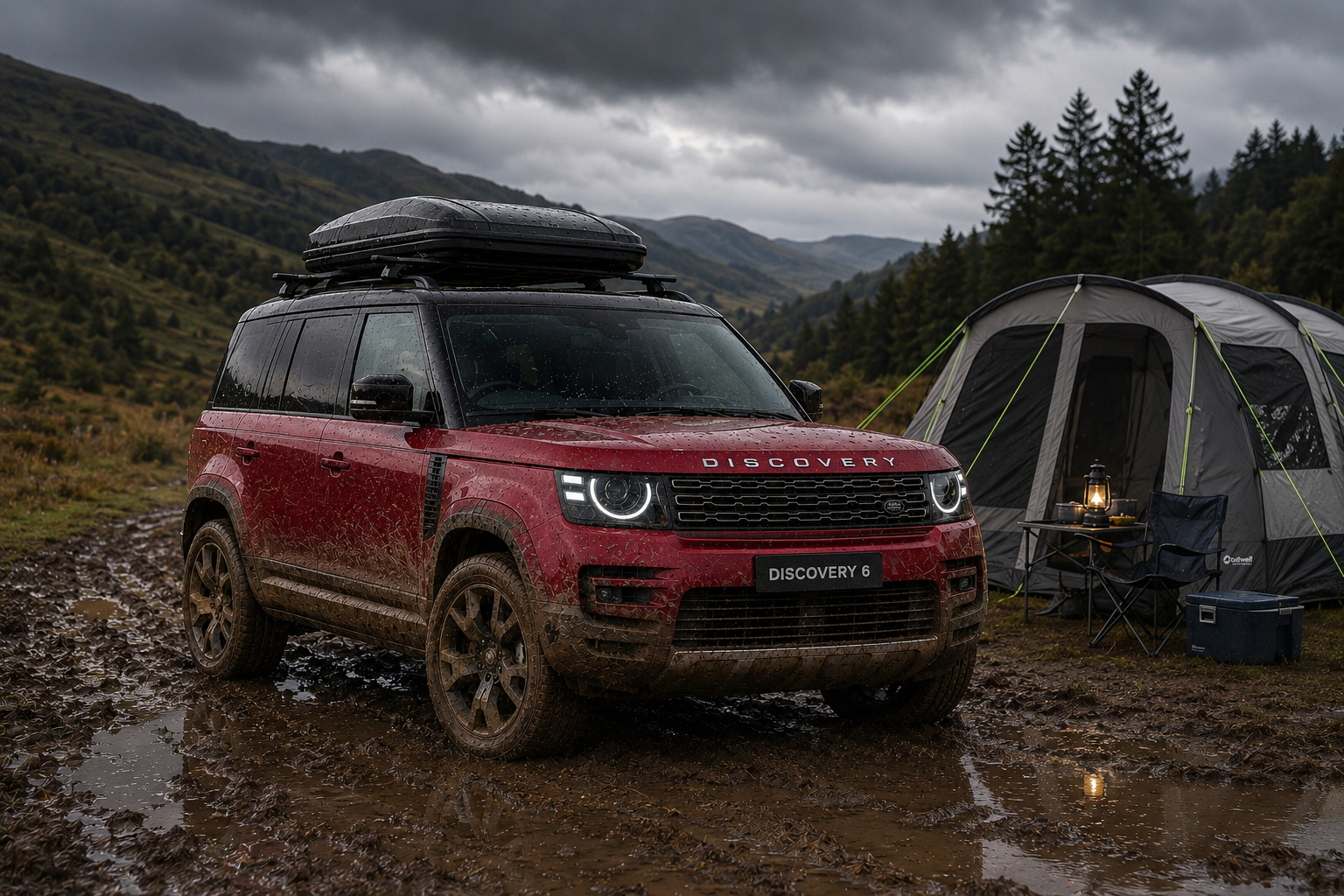
Few nameplates have carried families across generations like the Land Rover Discovery. From school runs to mountain passes, it’s long been the dependable middle ground between luxury and capability.
Yet the current Discovery 5 has struggled to define itself. With dimensions overlapping the Range Rover Sport and Defender 110, it risks being neither as premium nor as purposeful as its siblings. Buyers who once saw Discovery as the perfect all‑rounder now face internal competition within JLR’s own showrooms.
As Land Rover reshapes its brand hierarchy, Discovery 6 must reclaim its identity — not by chasing prestige or nostalgia, but by re‑establishing its role as the family‑adventure SUV that bridges practicality, comfort, and genuine off‑road ability. The question is how Land Rover can evolve that formula without cannibalising the very models it helped inspire.
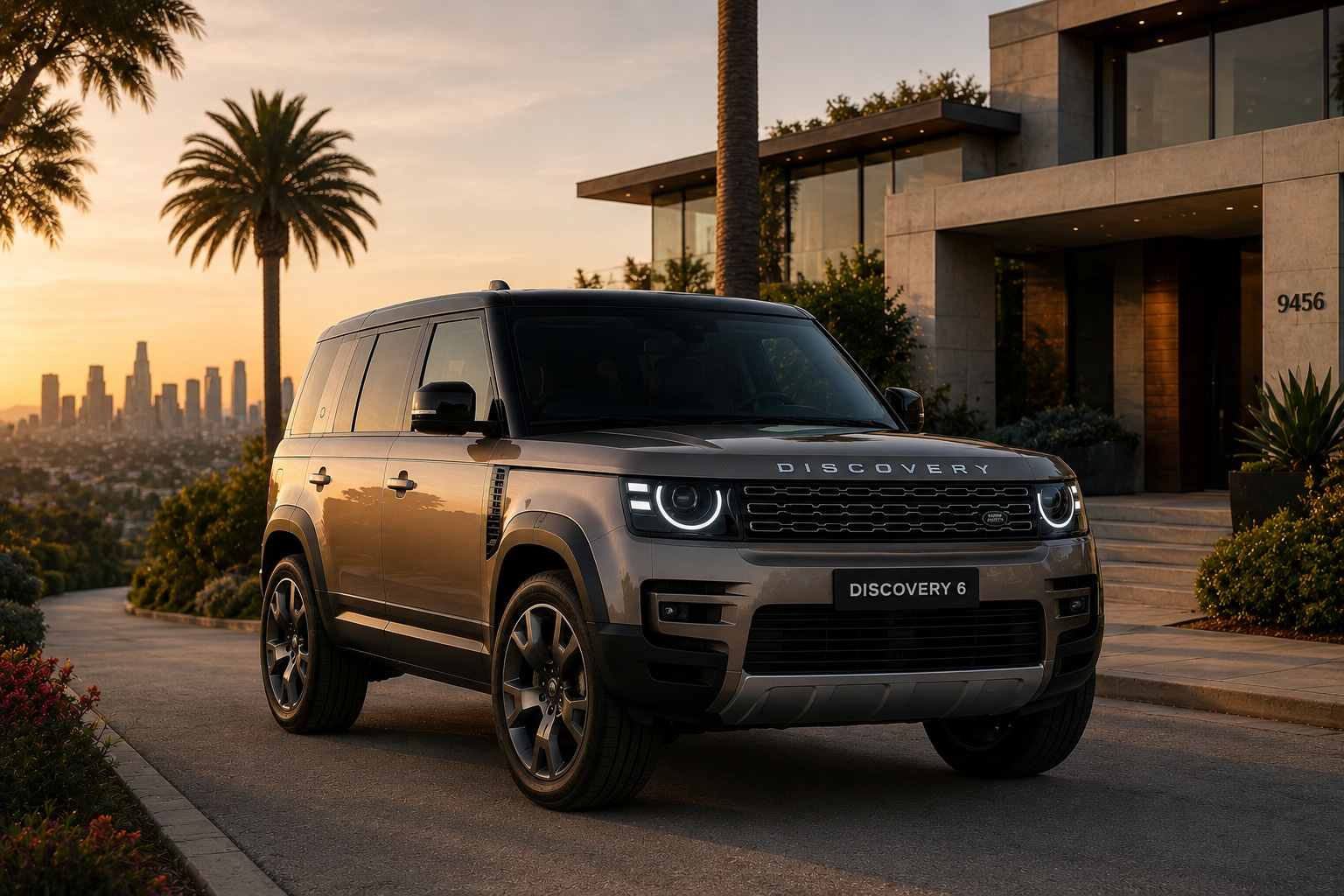
A surprising opportunity has emerged for Land Rover: the chance to build the next Discovery in the United States through a manufacturing partnership with Jeep. With tariffs tightening and the American market becoming increasingly hostile to imported large SUVs, local production could transform Discovery 6’s prospects. It would allow Land Rover to grow the model significantly, pushing it beyond the size and presence of both the Range Rover and Defender families without forcing prices into luxury‑SUV territory.
Shared components with future large Jeeps would keep costs under control, while giving Discovery the scale it needs to compete with U.S. heavyweights like the Tahoe, Wagoneer and Expedition. For the first time, Discovery could become a true American‑market flagship — a big, comfortable, seven‑seat family SUV designed to thrive where the current model barely registers.
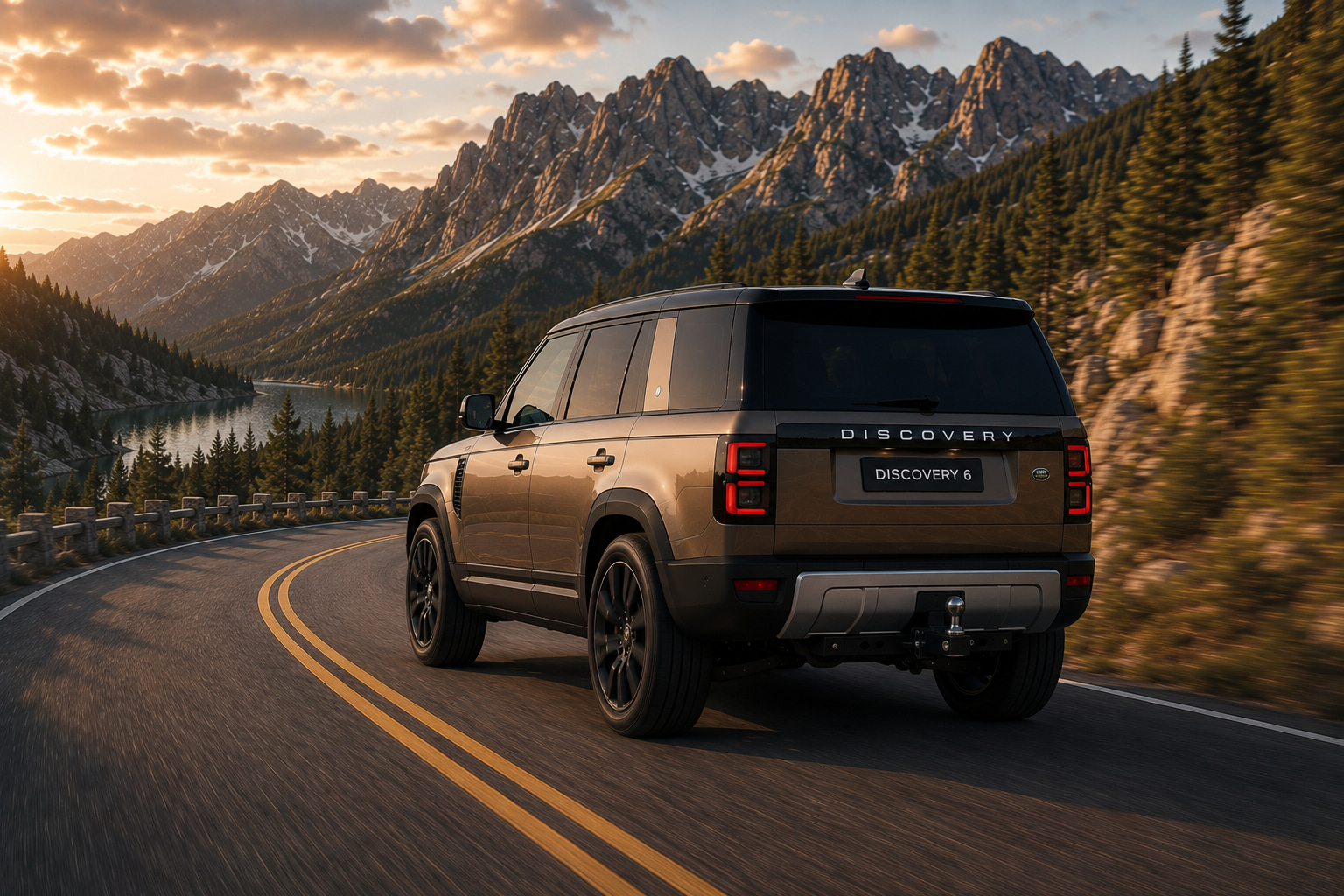
If Discovery 6 shifts production to the U.S., it opens doors far beyond America. Markets like the Middle East, Australia, and parts of Asia have long favoured large, durable SUVs with genuine off‑road credibility — and they’re far less constrained by the emissions rules that shape Europe’s product planning. In these regions, Discovery could finally become the family halo model Land Rover has struggled to define: bigger, tougher, and more versatile than the Range Rover, yet more comfort‑focused than the Defender.
With the freedom to offer ICE and hybrid powertrains, Discovery 6 could meet local expectations without chasing EU approval, giving Land Rover a more resilient global lineup.
Range Rover remains the luxury flagship, Defender the fashionable capability icon, and Discovery becomes the dependable family workhorse — each model clearly differentiated, each serving a distinct purpose.
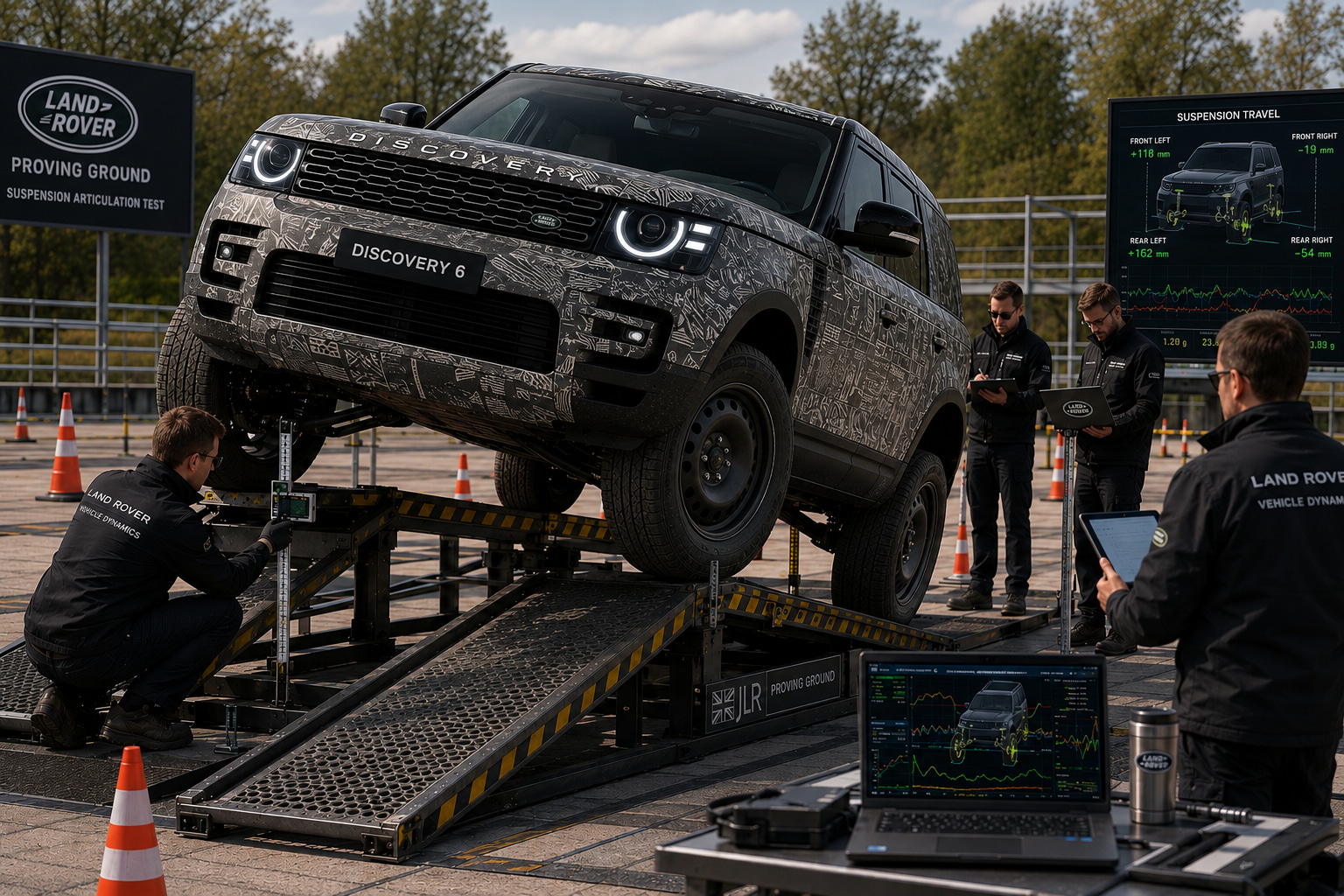
Even if Discovery 6 ends up being built in the United States, its soul will remain unmistakably British. Land Rover’s engineering culture — the proving grounds, the durability testing, the design studios — is still centred in the UK, and that won’t change simply because production shifts abroad.
The Jeep collaboration would be industrial rather than ideological: shared factories, shared logistics, shared large‑SUV components, but not shared identity. Discovery 6 would still be shaped by the same teams who tune Defenders for Welsh mud and refine Range Rovers for British motorways.
The model would benefit from American scale without losing the engineering discipline that defines Land Rover. In practice, it becomes a global product with a UK heartbeat — a Discovery built for new markets but developed with the same standards that made the nameplate trusted for decades.
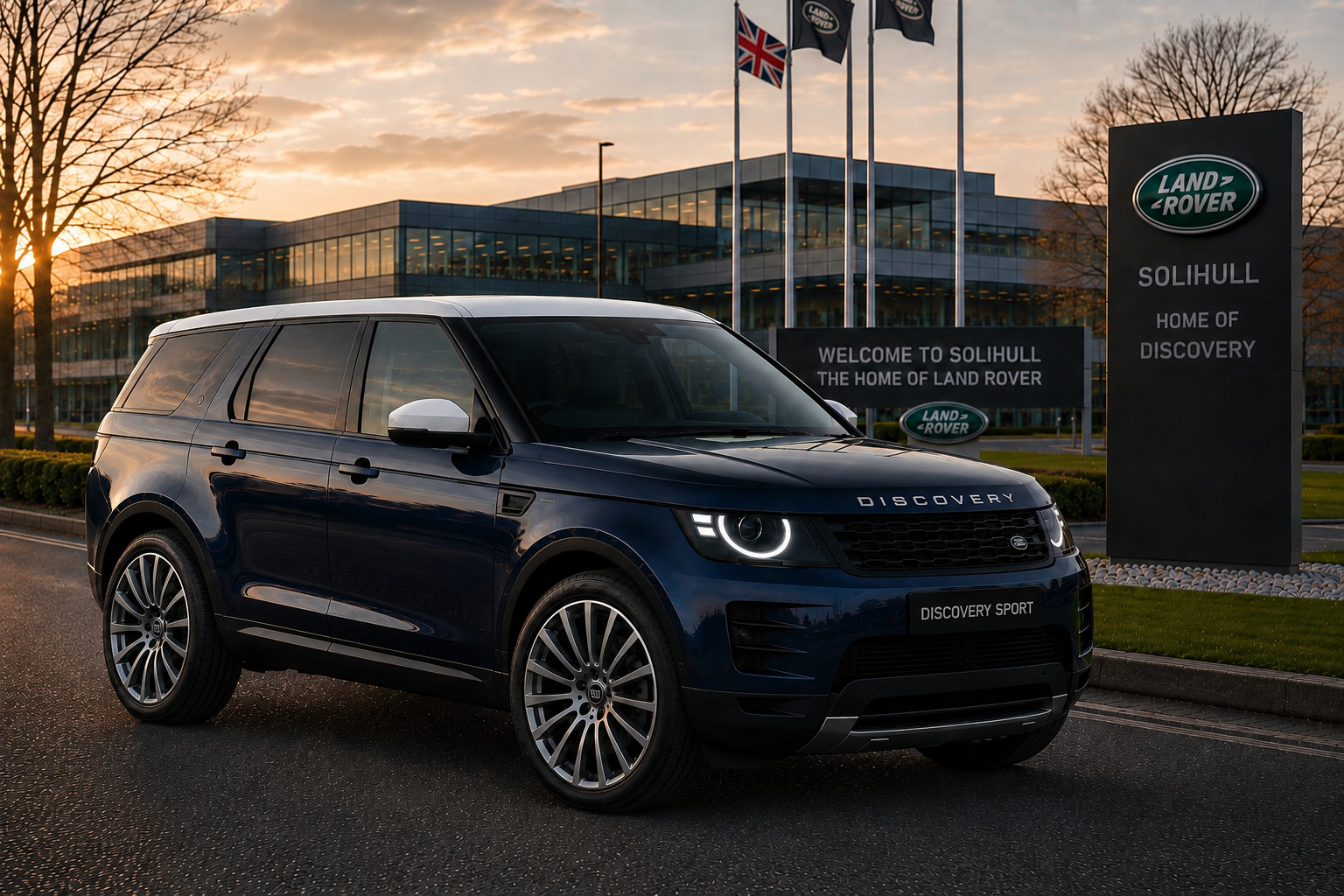
A larger, U.S.‑built Discovery 6 wouldn’t just redefine the flagship — it would finally give the Discovery Sport room to grow. The current model sits awkwardly in one of the most competitive segments in the industry, squeezed between premium crossovers and full‑size SUVs, and limited by packaging that’s now several generations old.
By moving the main Discovery upmarket and up in size, Land Rover can reposition the Discovery Sport as a genuinely spacious, seven‑seat family SUV with modern architecture and far better interior flexibility. A price rise becomes easier to justify when there’s no risk of overlapping with lower‑spec Discoveries, and the new platform would allow Land Rover to deliver the practicality buyers expect without compromising design or capability.
In effect, Discovery Sport finally gets its own identity — not a smaller Discovery, but a smarter one.
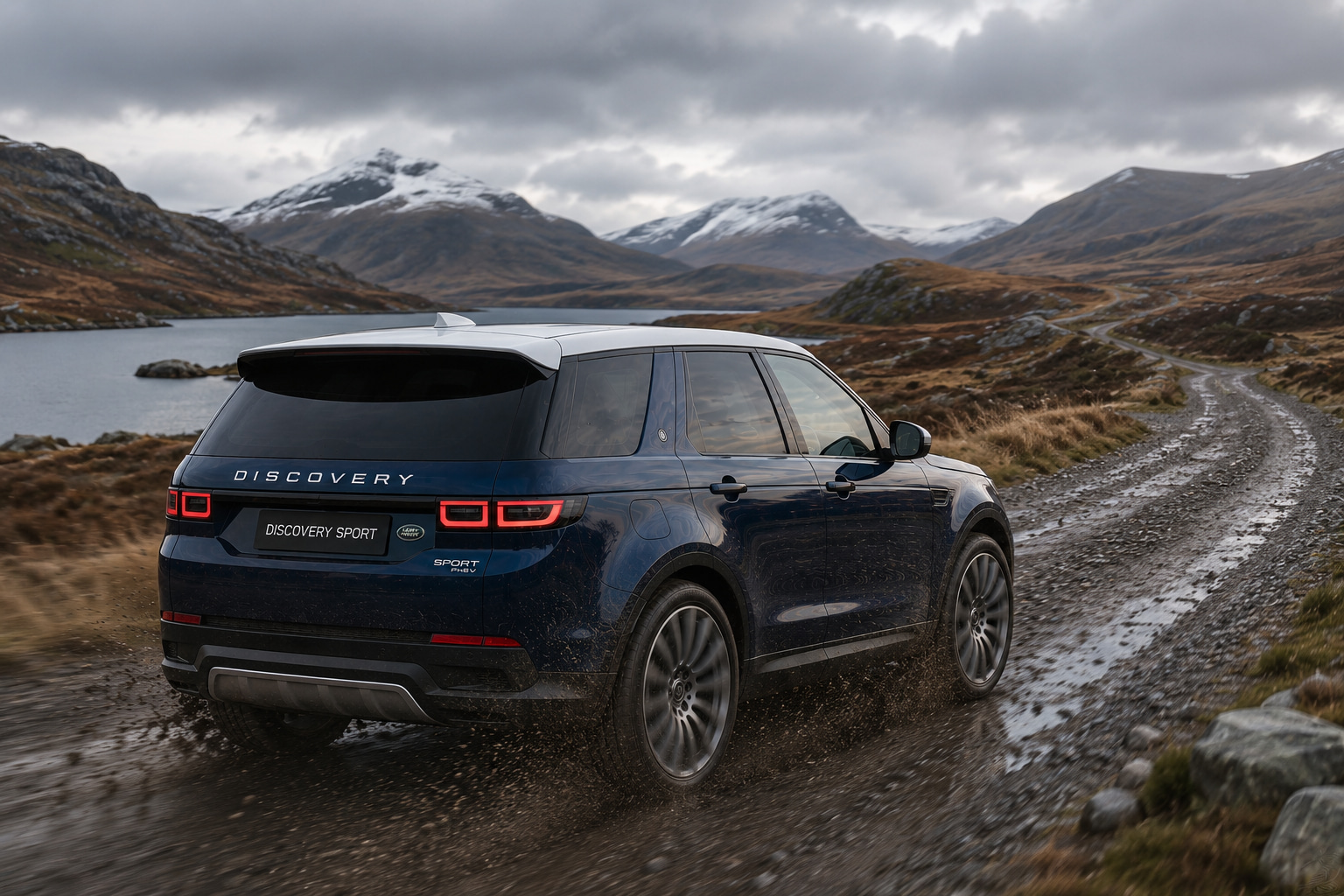
The Discovery story has reached a turning point, and the opportunity in front of Land Rover is bigger than any single model update. By shifting Discovery 6 toward U.S. production and embracing a strategic partnership with Jeep, Land Rover could finally give the nameplate the scale, pricing stability and market relevance it has lacked in recent years.
A larger, more capable, more luxurious Discovery would reclaim its role as the brand’s true family flagship, while avoiding overlap with Range Rover and Defender. At the same time, the Discovery Sport would be free to grow into a properly packaged seven‑seat SUV with lower running costs and a clear identity of its own — a car that could sit comfortably under £50k without stepping on its bigger sibling’s toes.
Together, the two Discoveries would restore balance to Land Rover’s lineup: one built for global families, one built for everyday practicality, both strengthened by a smarter, more resilient strategy.
(Image Credit : The New Yardstick)