The New Yardstick: Rethinking Urban Motion
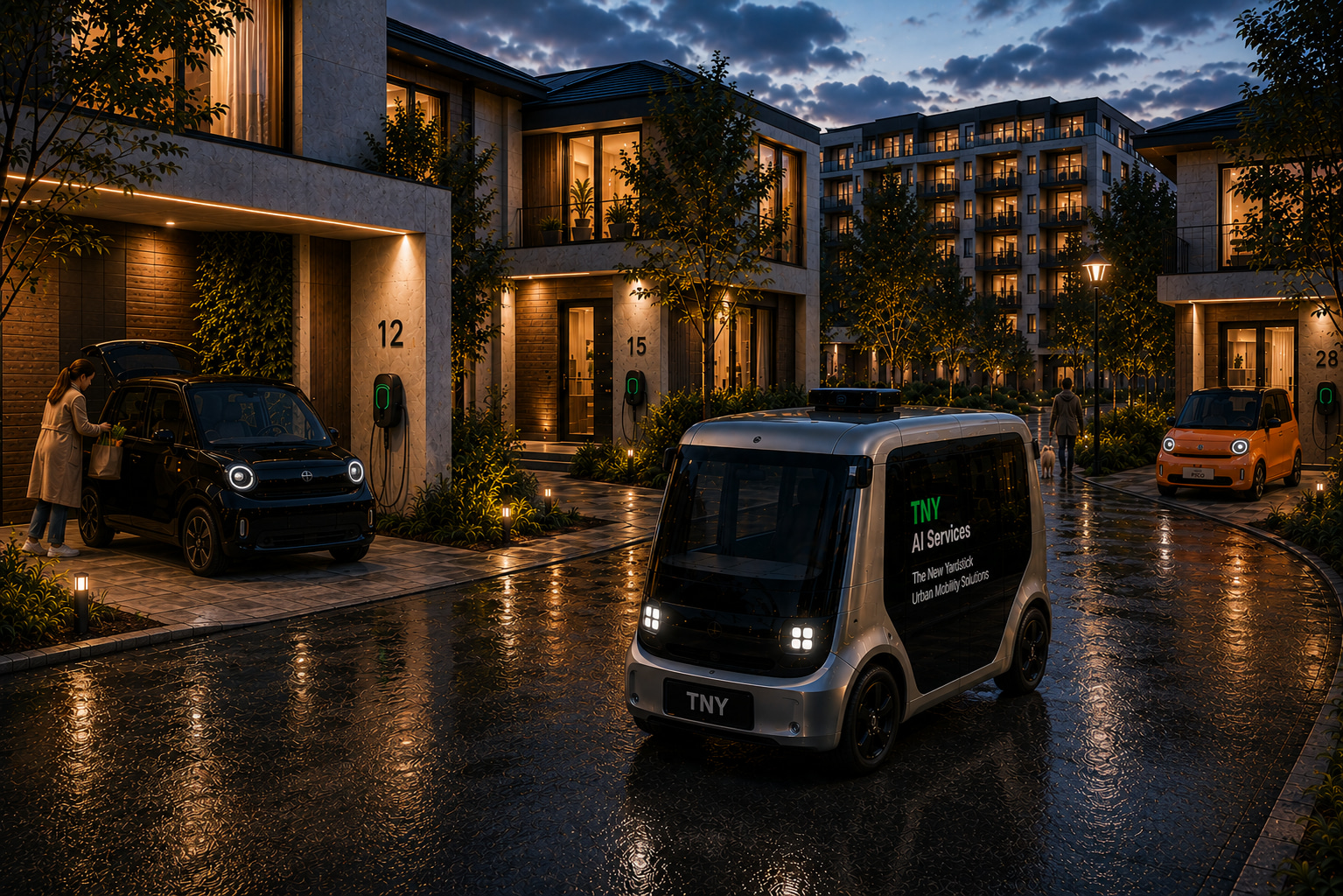
Imagine a city where movement feels effortless — where quiet, electric microcars glide through neighbourhoods, connecting homes, cafés, and workplaces with zero fuss and zero emissions. This isn’t a distant dream; it’s the next chapter in urban life.
Microcars are redefining what mobility means. They take up half the space, cost a fraction to run, and fit seamlessly into the rhythm of modern living — from shared fleets to personal use. As cities grow denser and cleaner energy becomes non‑negotiable, these compact vehicles offer a smarter way forward.
Shared micromobility is already booming — projected to grow from £37 billion in 2020 to over £169 billion by 2030 — proof that the world is ready for smaller, cleaner, more connected transport. The question isn’t if we’ll adapt, but how fast.
This is the new yardstick for mobility: efficient, elegant, and human‑scaled.
A movement built not just for cities, but for communities, families, and the planet.
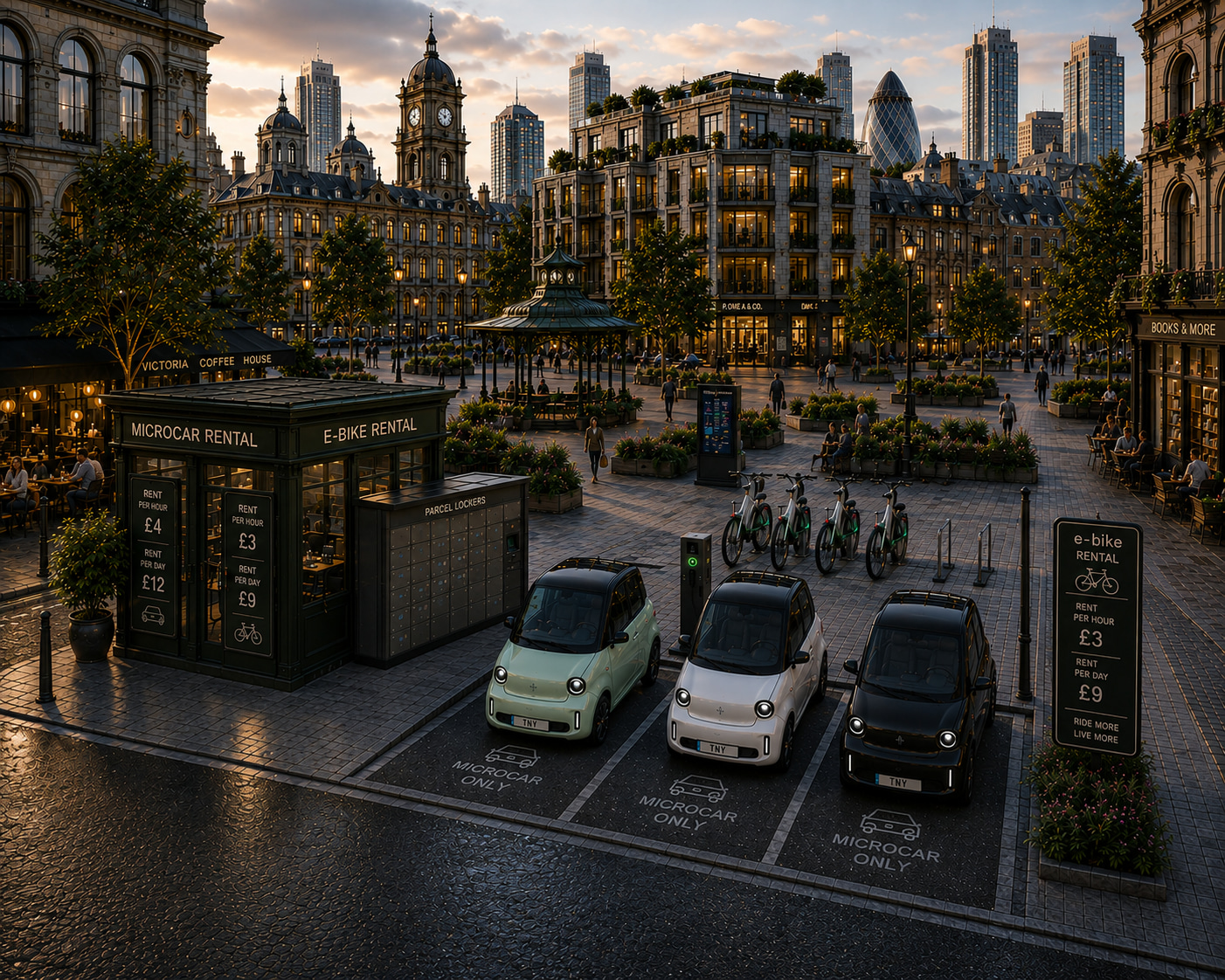
Across the world, cities are reaching a breaking point. Streets built for another era are now gridlocked with oversized vehicles, leaving people frustrated and urban life slower than it needs to be.
Yet the technology to fix this already exists. Compact EVs, microcars, and shared mobility systems are mature, affordable, and ready to scale.
What’s missing is the shift in mindset — the willingness for governments to adapt planning rules and transport policy to match the realities of modern life. Smaller vehicles aren’t a compromise; they’re the upgrade cities have been waiting for
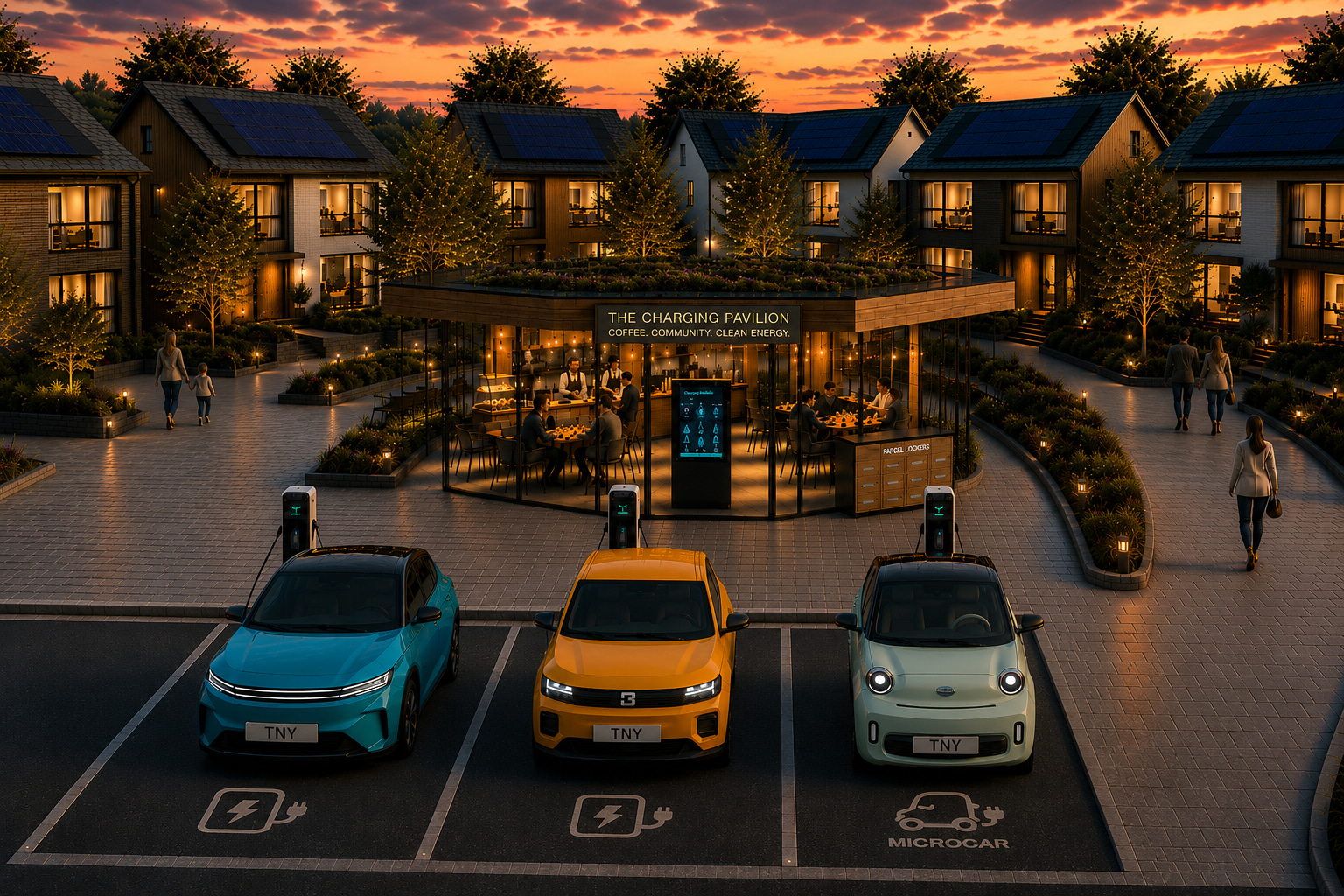
A new generation of neighbourhoods is emerging — places designed from the ground up around clean energy and shared mobility. Purpose‑built EV infrastructure makes charging effortless, turning microcars into natural extensions of daily life rather than niche alternatives.
When communities integrate solar canopies, shared charging hubs, and micromobility lanes, they unlock huge environmental gains while keeping streets calm and accessible.
These spaces show what’s possible when planning embraces smaller, smarter vehicles: lower emissions, quieter roads, and a lifestyle that feels both modern and sustainable. It’s a natural step for meeting environmental targets without loosing convenience.
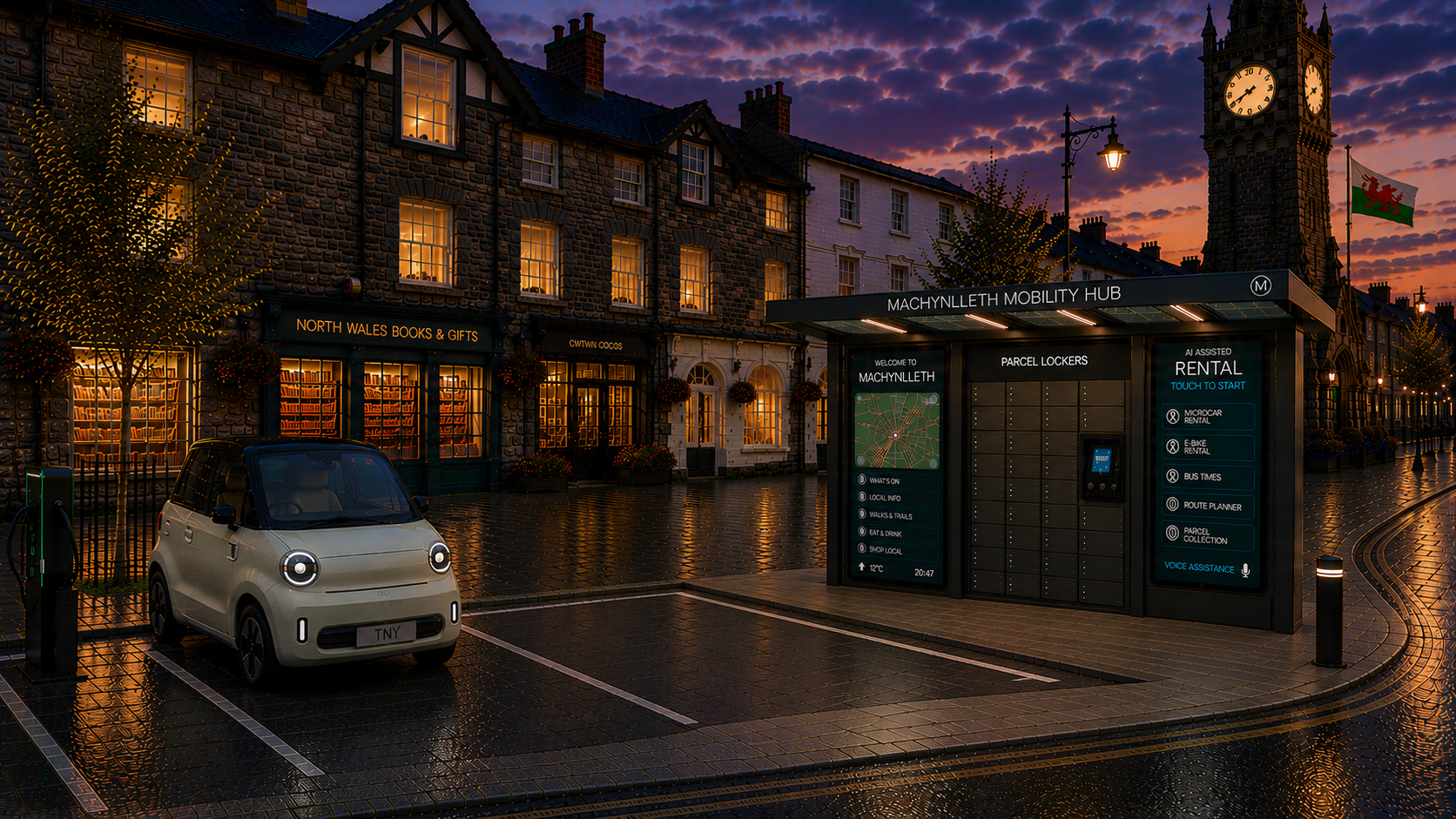
Not every community needs to start from scratch to embrace cleaner, smarter mobility. Many towns already have the foundations — compact streets, local shops, walkable centres — they just weren’t designed with modern traffic volumes in mind. Microcars slot naturally into these environments, easing congestion without demanding major redevelopment.
By adding small charging points, shared‑use bays, and lightweight mobility lanes, existing infrastructure can evolve rather than be replaced.
The result is a calmer, more accessible townscape, Where microcars don’t disrupt the character of a place; they help it breathe.
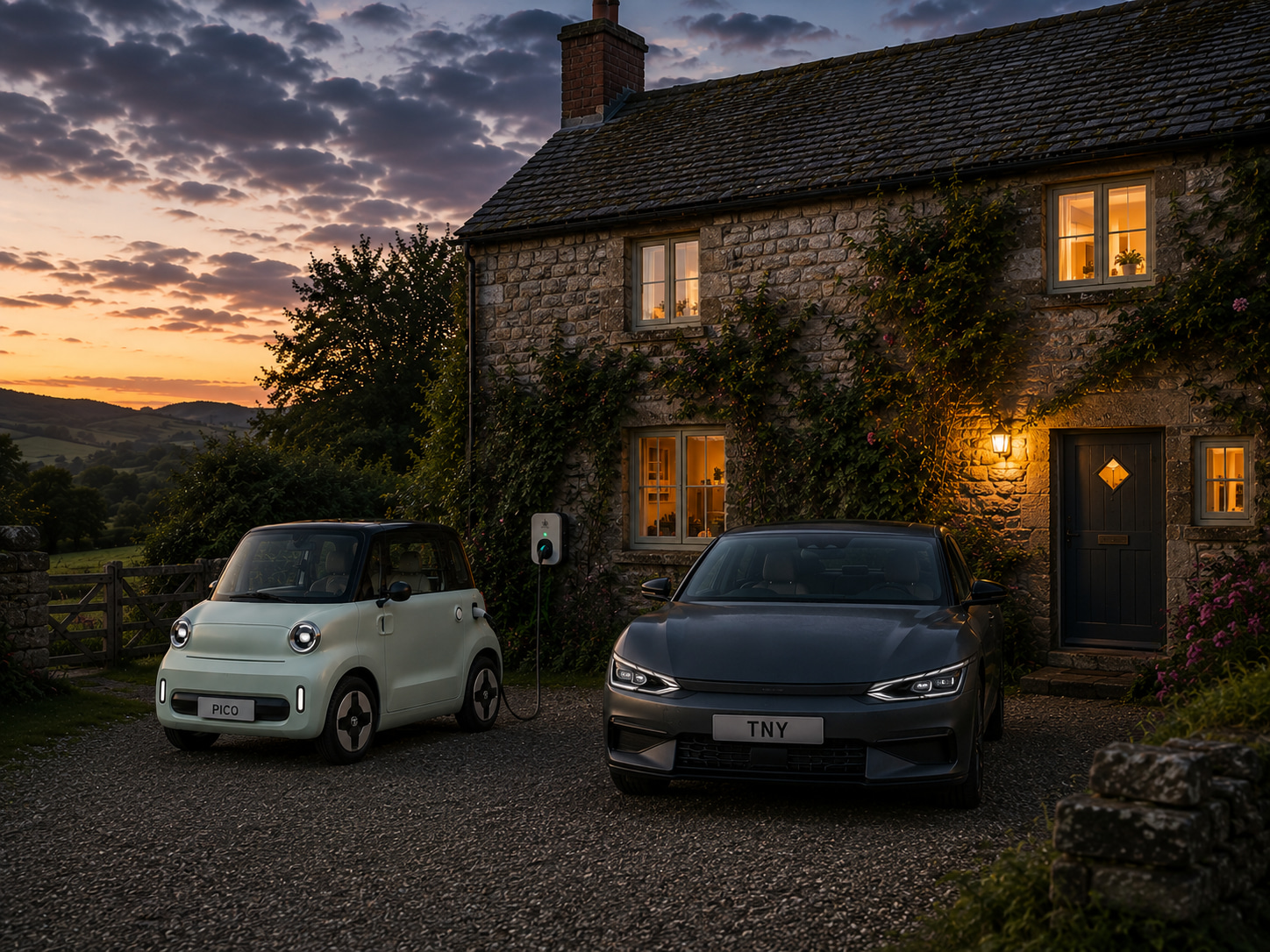
Rural living comes with its own transport challenges — long drives for essentials, limited public transport, and the rising cost of running multiple full‑size cars. Microcars offer a refreshingly simple alternative.
For short local journeys, school runs, quick errands, or navigating tight village lanes, they’re cheaper to buy, cheaper to charge, and far easier to park.
For households that struggle with space or don’t need two large vehicles, a microcar becomes the perfect second option. It’s mobility without the financial weight, giving rural communities a cleaner, quieter, and more flexible way to stay connected.
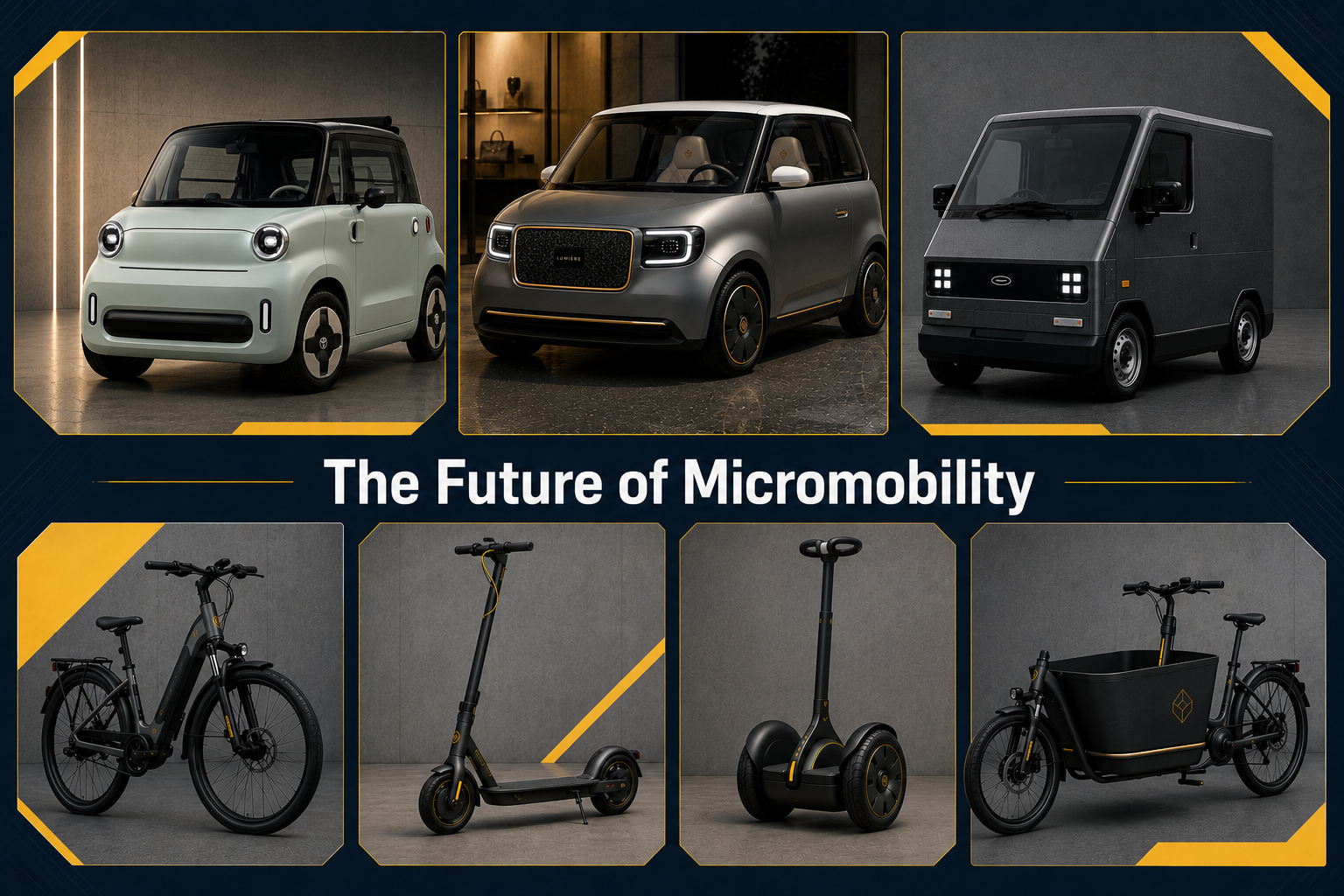
Not every journey needs a full‑size car, and not every route is served by public transport — the space in between is where micromobility thrives. From e‑bikes and scooters to compact EVs and microcars, a flexible ecosystem is emerging that gives people the right tool for each trip. These options reduce pressure on roads, cut emissions, and make short journeys quicker and more enjoyable.
As cities and towns rethink how people move, micromobility becomes the connective tissue — filling the gaps, easing congestion, and offering freedom without the footprint. It’s mobility scaled to real human needs.
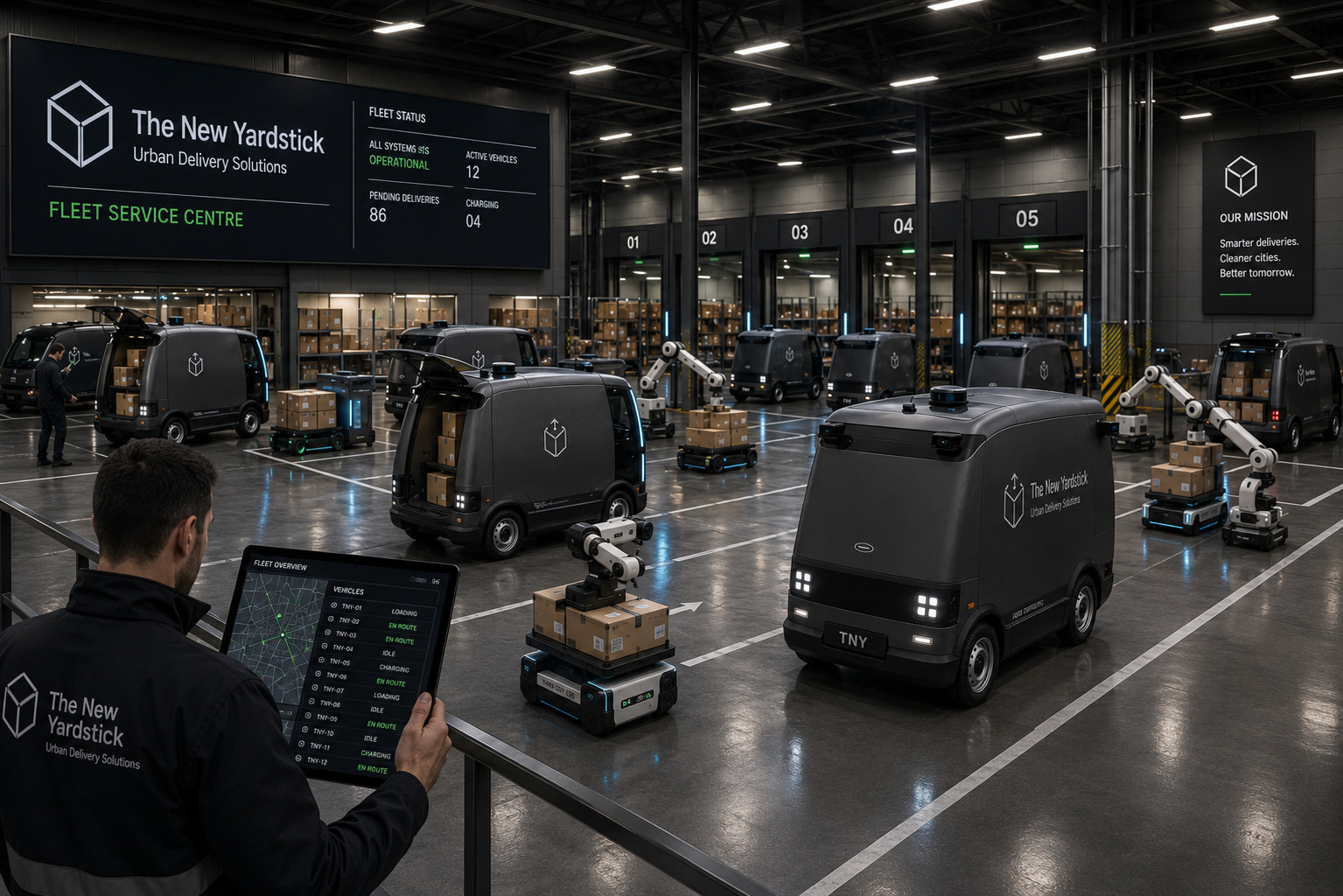
Urban delivery networks are under huge pressure — more parcels, tighter streets, and constant staffing shortages. Micro‑commercial EVs, paired with AI routing and autonomous assistance, offer a cleaner, faster, and more resilient alternative. These compact vehicles can weave through dense areas, optimise routes in real time, and operate with far less labour, easing the strain on a rapidly growing market.
As cities push for lower emissions and more efficient logistics, AI‑supported micro‑delivery fleets become a natural evolution. They reduce congestion, cut operating costs, and keep goods moving smoothly in places where traditional vans simply can’t.
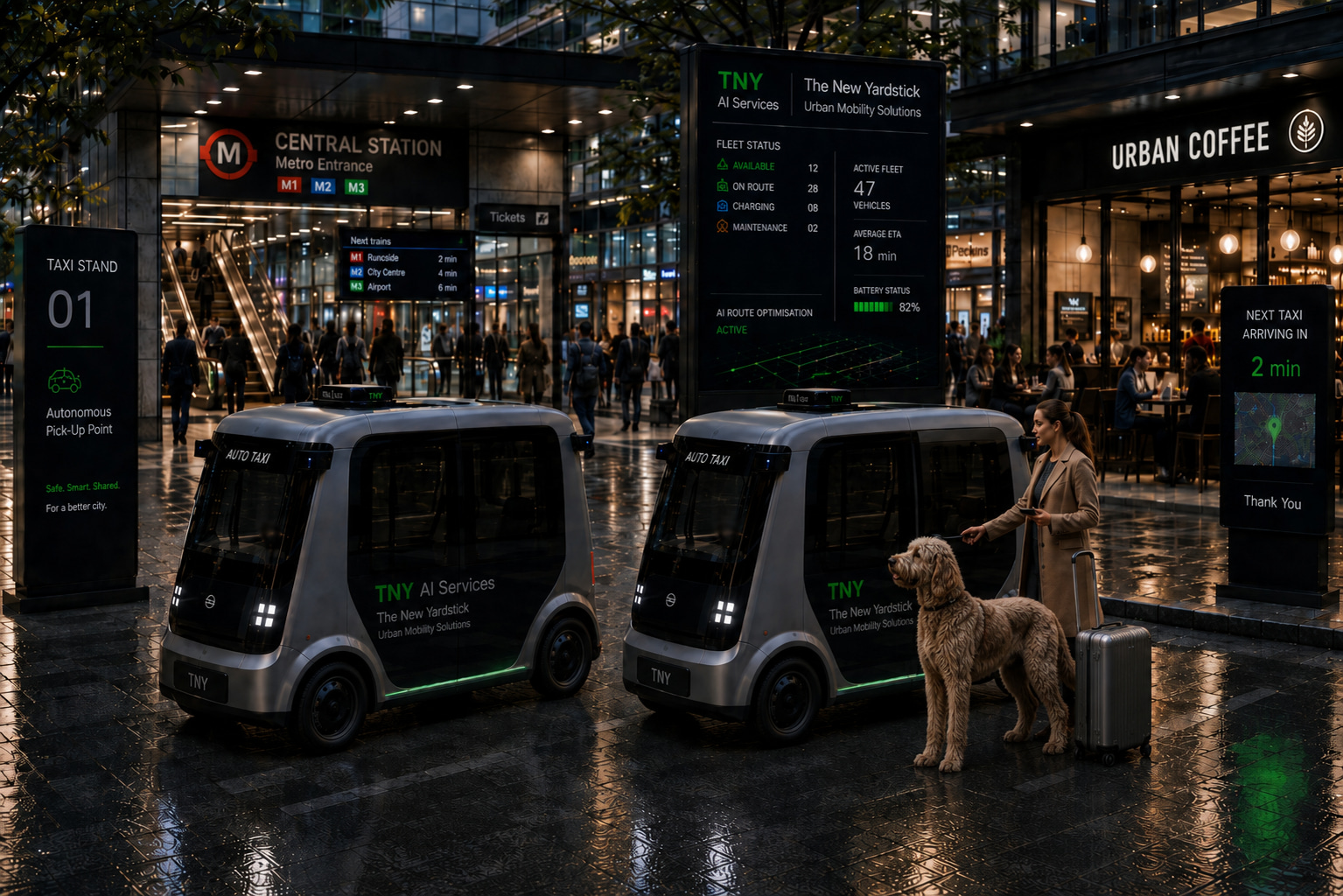
As cities rethink how people move, AI‑powered micro taxis offer a smarter alternative to traditional public transport. Compact, efficient, and designed to maximise interior space, these vehicles provide comfortable point‑to‑point travel without the cost or footprint of larger cars. AI routing keeps journeys smooth and responsive, adapting to demand in real time and reducing unnecessary mileage. For riders, it means shorter waits, lower fares, and a service that feels personal rather than rigid. For cities, it’s a cleaner, quieter mobility layer that fits neatly into dense streets. Micro taxis make flexible transport accessible to everyone.
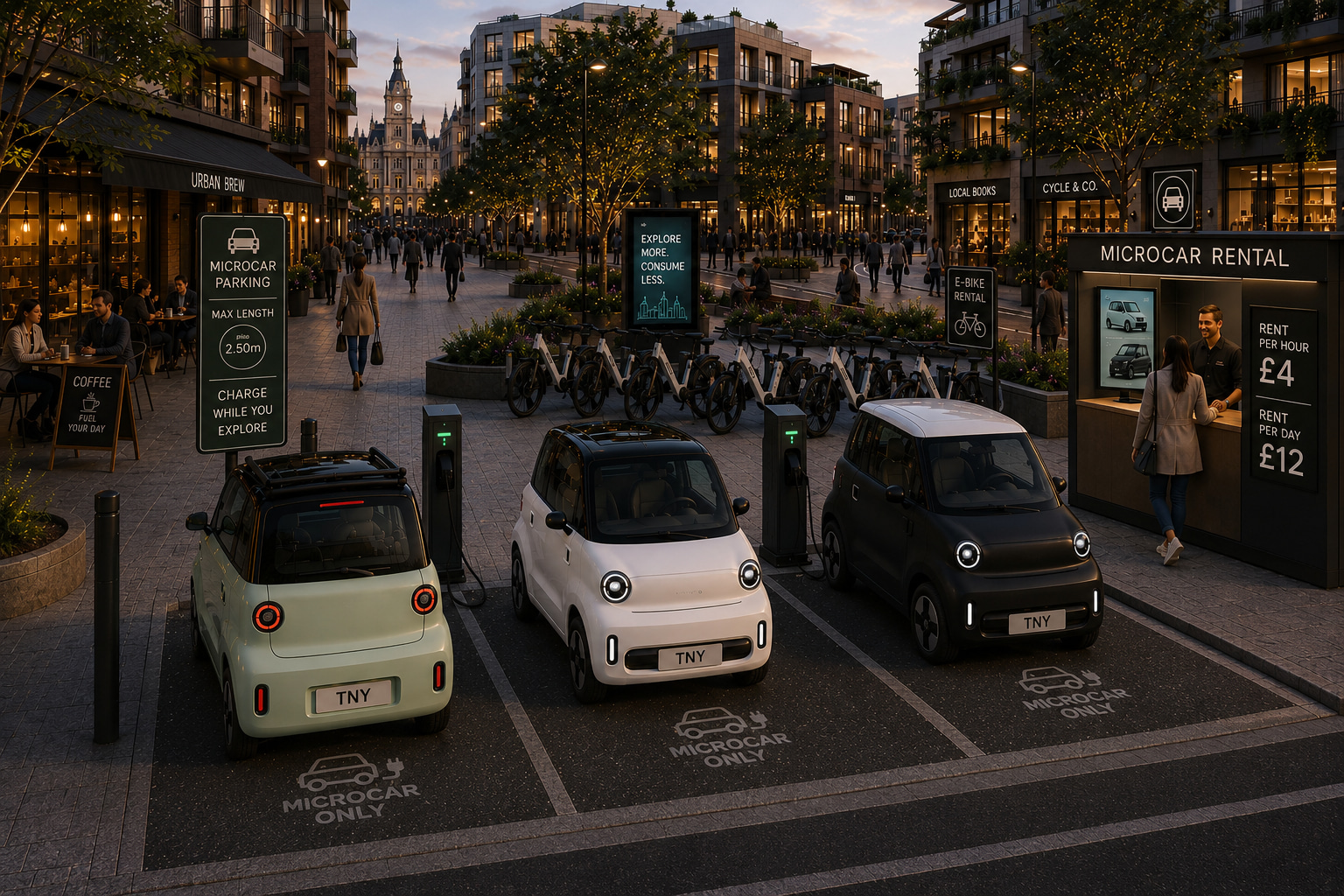
As cities tighten emission rules and the cost of driving traditional cars rises, flexible access to clean transport becomes essential. Pop‑up rental booths offer a simple, affordable gateway into micro‑mobility — no ownership, no long‑term commitment, just quick access to the right vehicle when you need it.
These compact stations can appear in car parks, high streets, campuses, or residential developments, adapting to shifting demand as urban mobility evolves. For everyday people, they remove the financial barrier to cleaner travel. For cities, they create a scalable, low‑impact network that supports a smoother transition to sustainable transport.

For all the practicality and policy shifts driving the rise of micro‑mobility, there’s room for something more playful too. Microcar racing brings a spark of excitement to the movement — a safe, low‑emission motorsport that sits somewhere between go‑karting and full‑scale racing. With top speeds around 40–45 mph, events can run on compact circuits with minimal safety barriers, making them accessible to local communities and far cheaper to host. It’s a celebration of engineering, creativity, and the joy of small‑scale motion.
But beyond the fun, microcar racing symbolises the heart of this entire shift: mobility that’s lighter, cleaner, more inclusive, and built for everyone. From urban deliveries to rural errands, from shared fleets to pop‑up rentals, microcars show how a simple idea can reshape the way we move.
This isn’t just a new category of vehicle, it’s a new culture of mobility, and it’s already beginning.
(Image Credits: The New Yardstick)
You should also read:
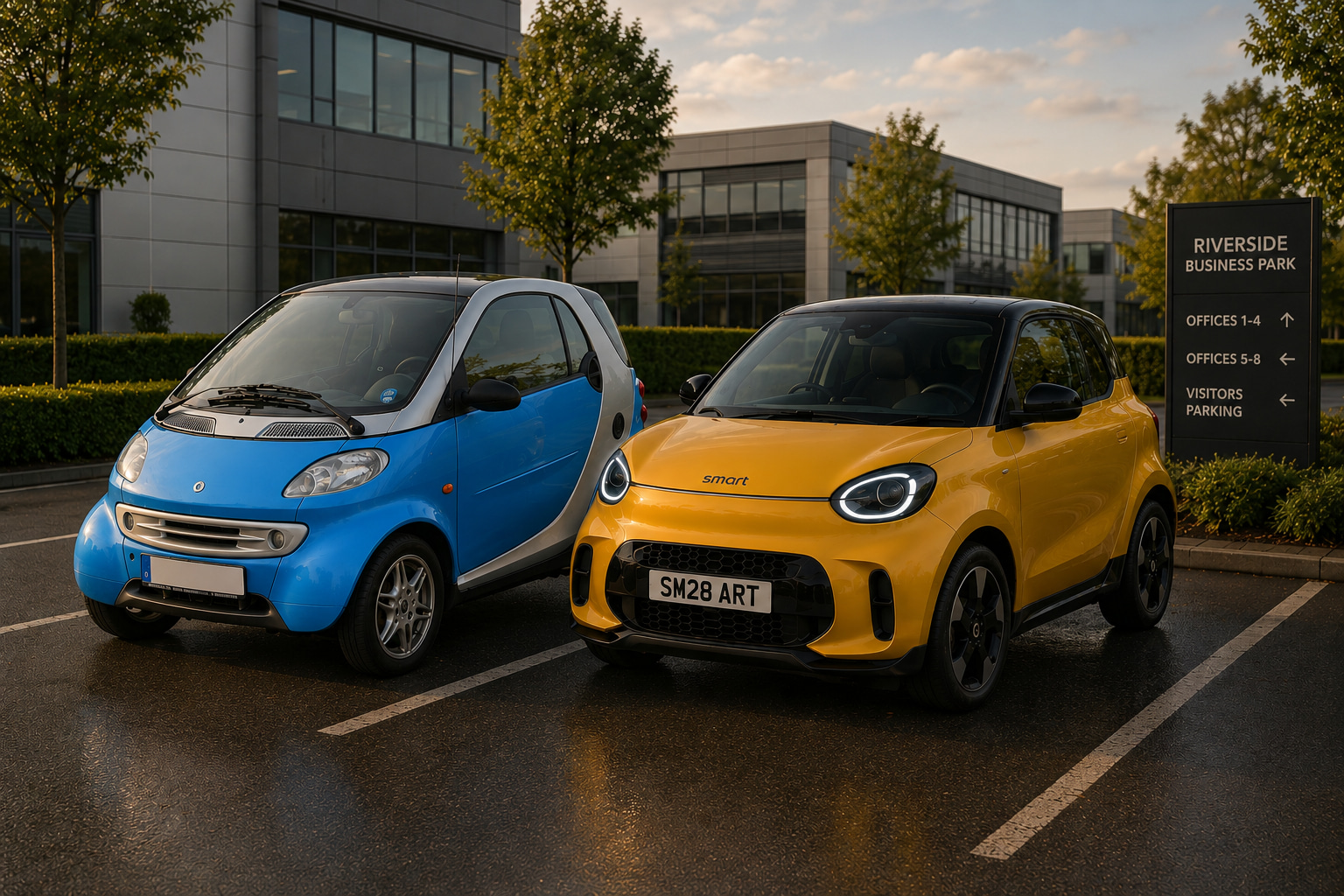
Small, Smart Again? Why Smart May Be Heading Back to its Urban Roots
For most of its history, Smart built its reputation around doing one thing exceptionally well. Our exclusive image compares the original Smart Fortwo and our "next generation" interpretation. Tiny dimensions, clever packaging and a focus on urban mobility made the original Fortwo one of the…
Continue reading...