Today, Tomorrow, Toyota
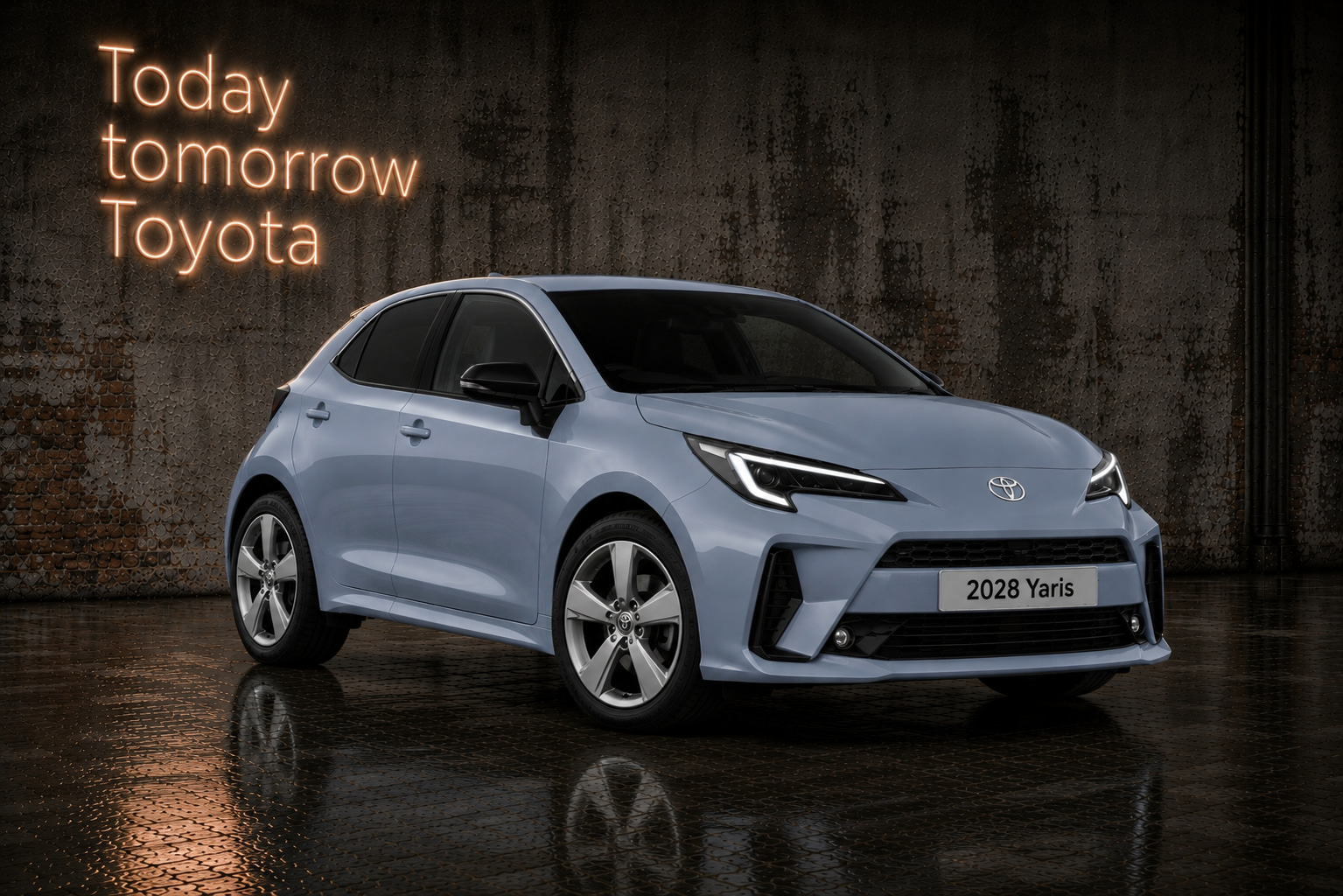
Few manufacturers have been criticised more for their EV strategy than Toyota.
While rivals raced towards all-electric futures, Toyota continued investing heavily in hybrid technology. Yet in 2026, the world's largest carmaker remains one of the industry's most profitable and stable players.
With tightening emissions regulations, ZEV mandates and changing customer demands, the next chapter of Toyota's story is beginning.
Our renderings explore what that future could look like.
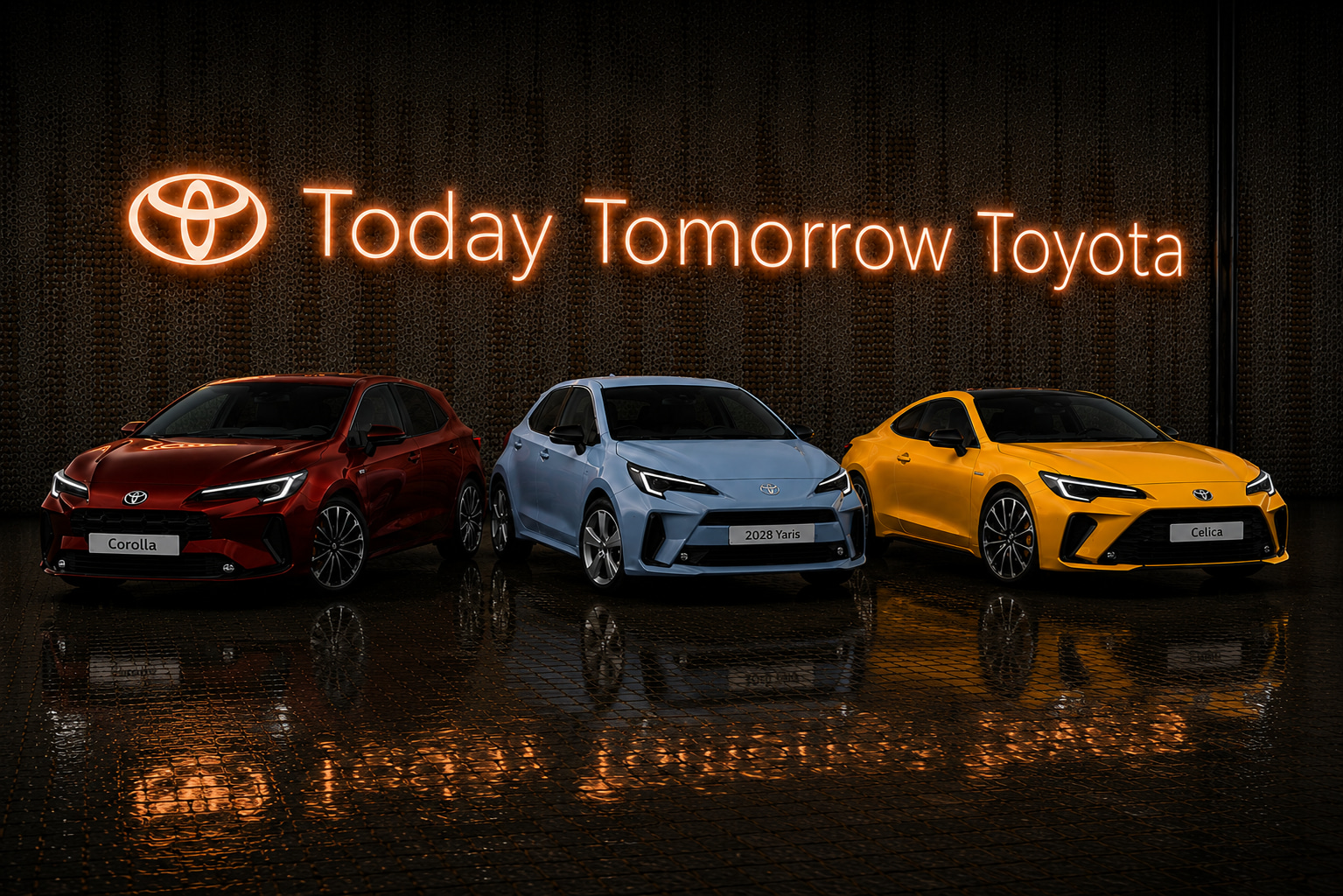
Toyota's hybrid strategy has helped the company build one of the strongest emissions performances among mainstream manufacturers. But future regulations will require more than hybrids alone. (Image credit: The New Yardstick)
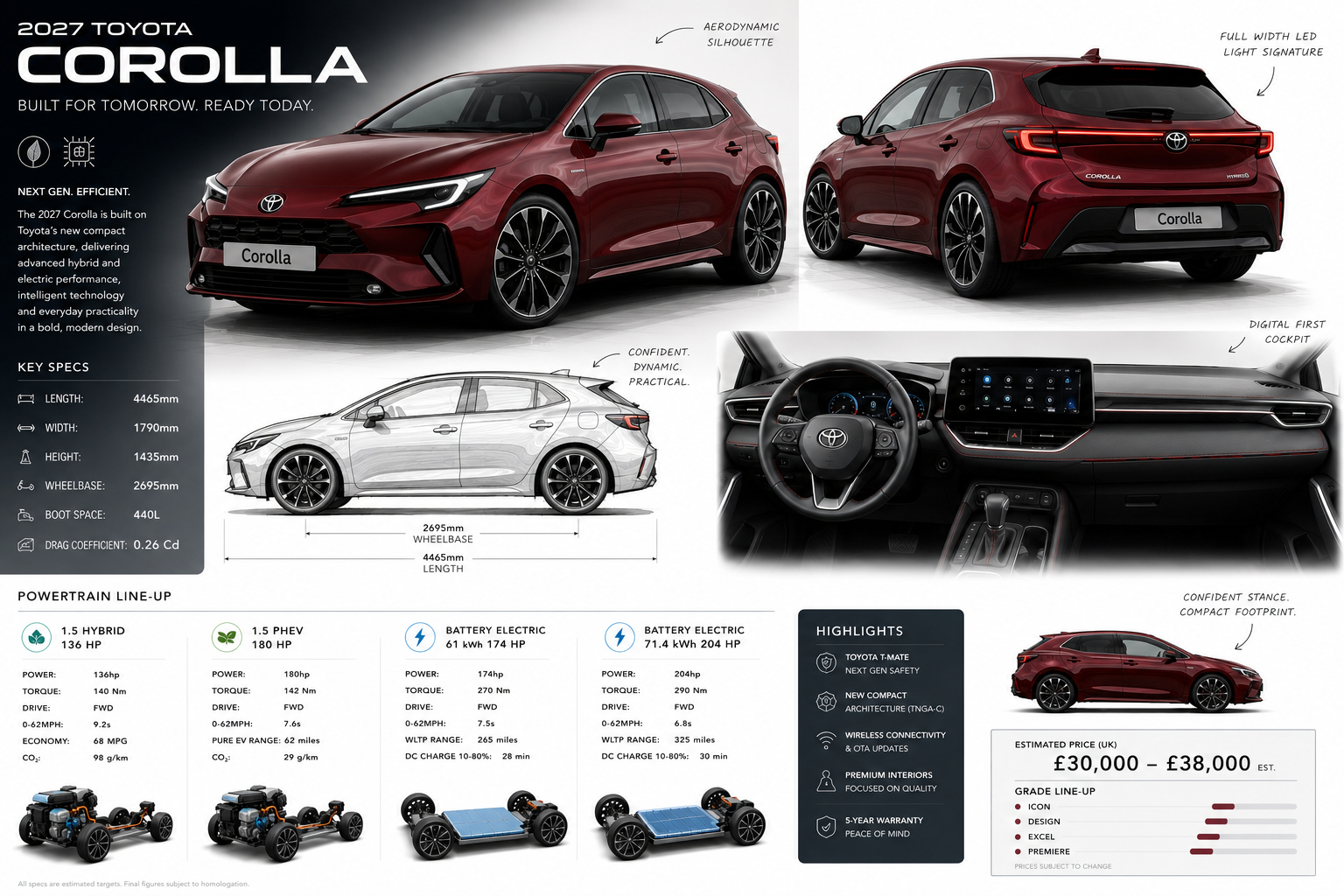
That is where the next-generation Yaris and Corolla could become increasingly important. With a new Corolla expected around 2027, expect Toyota to expand its use of PHEV and BEV powertrains as it prepares for increasingly stringent emissions regulations.
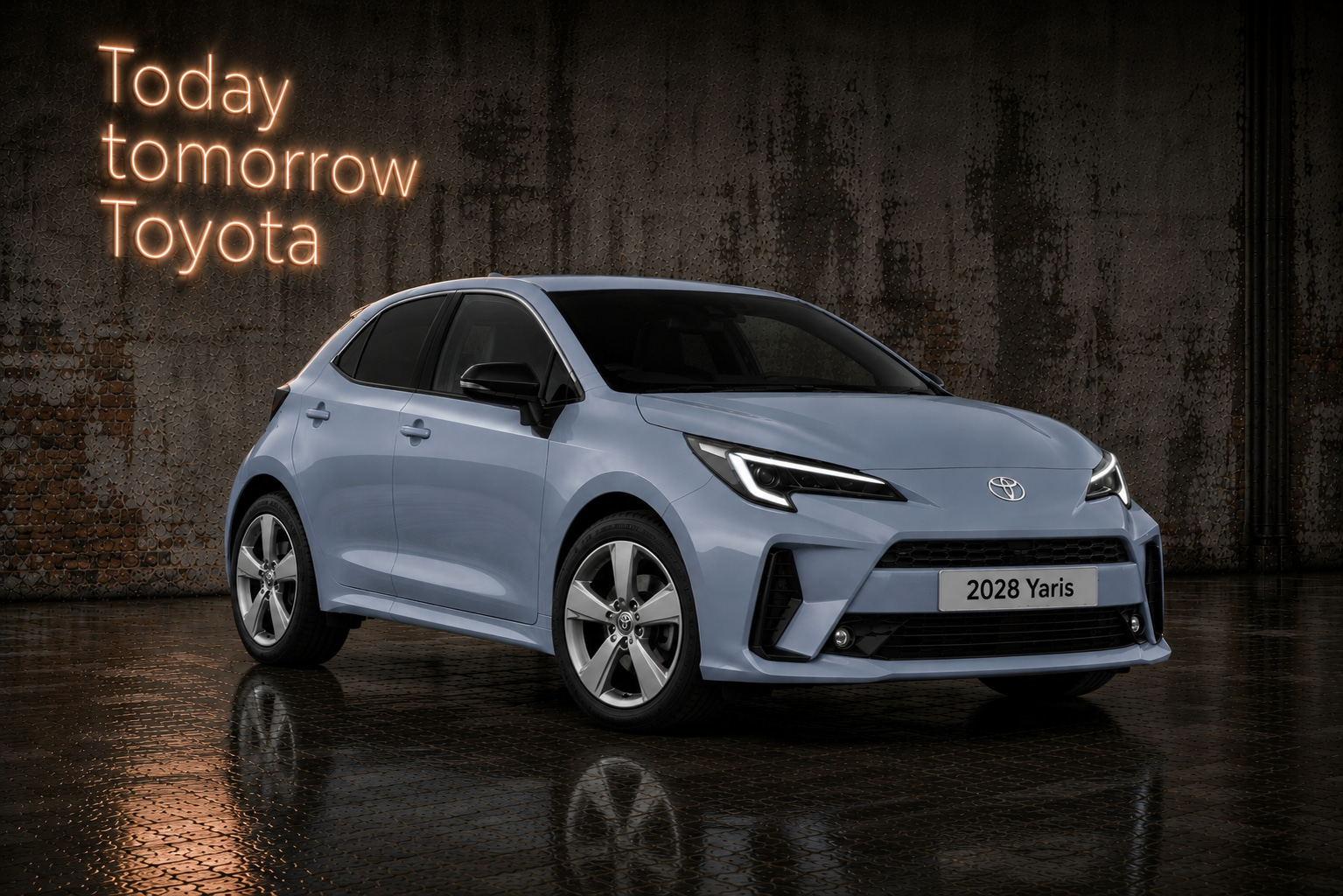
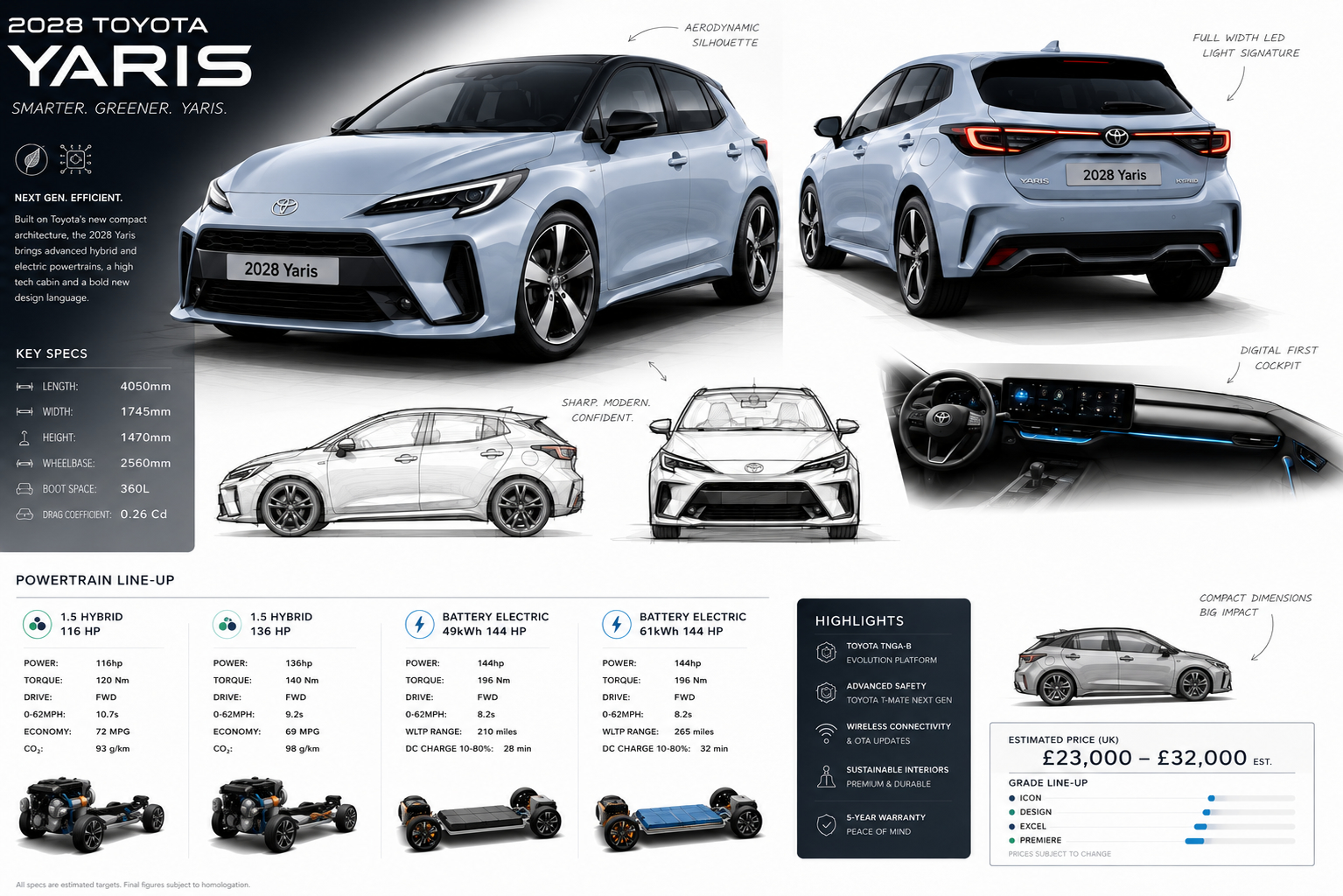
The Yaris remains one of Toyota's most important European models. Compact dimensions, strong hybrid efficiency and a reputation for reliability have made it a cornerstone of the brand's success. (Image credit: The New Yardstick)
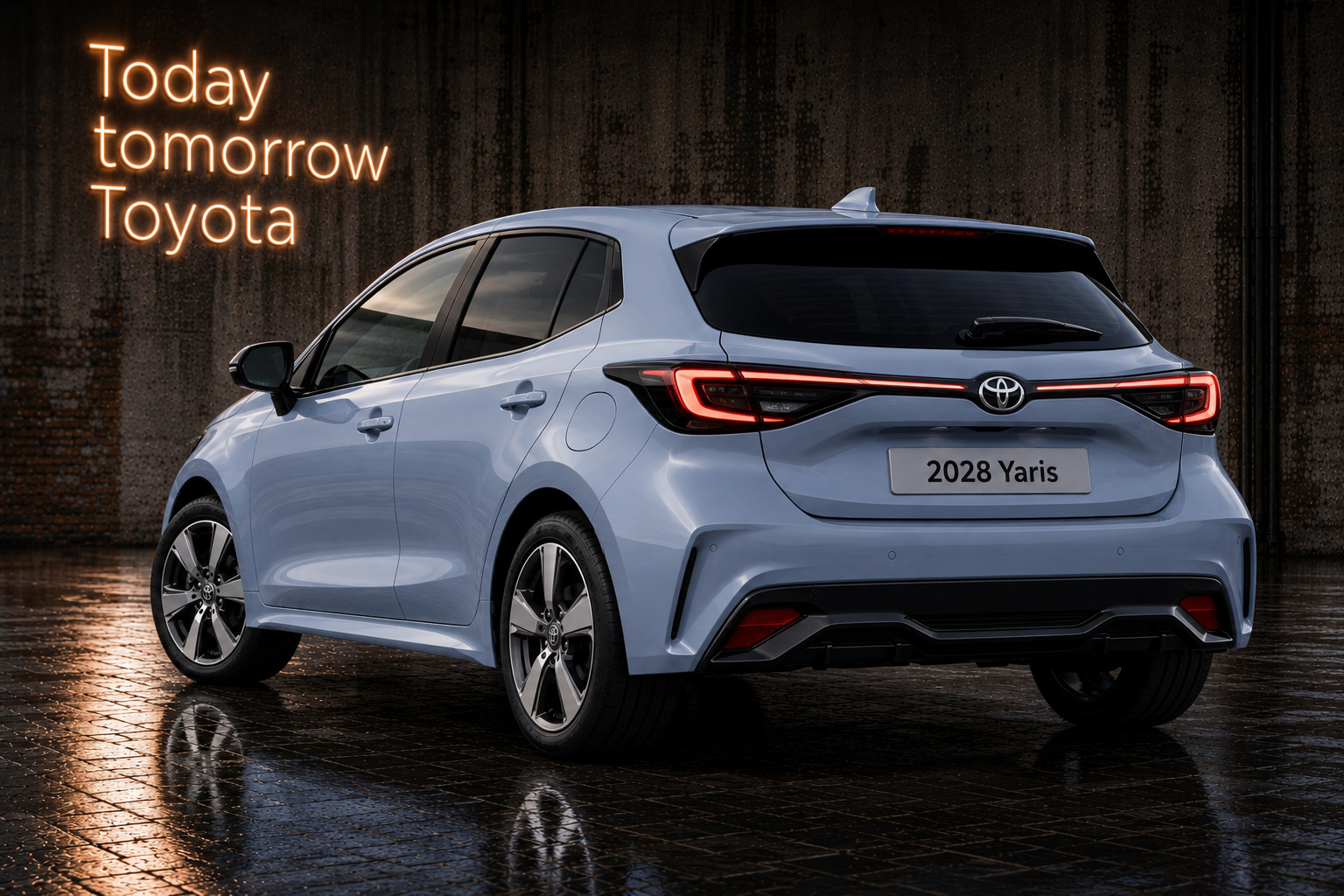
Looking ahead, Toyota may need to offer customers a choice between hybrid and fully electric powertrains, allowing the Yaris to continue serving both traditional buyers and those seeking zero-emission motoring. (Image credit: The New Yardstick)
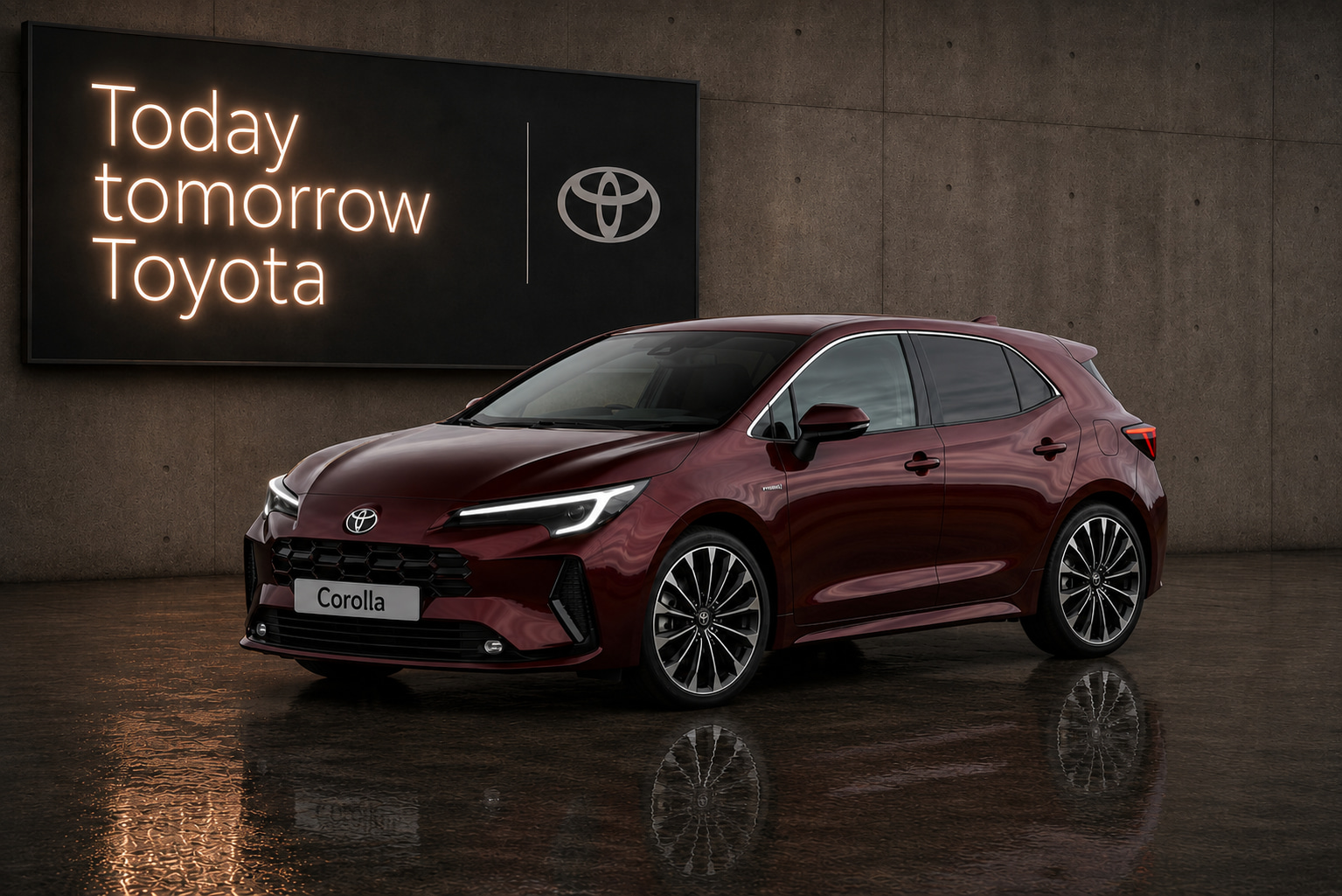
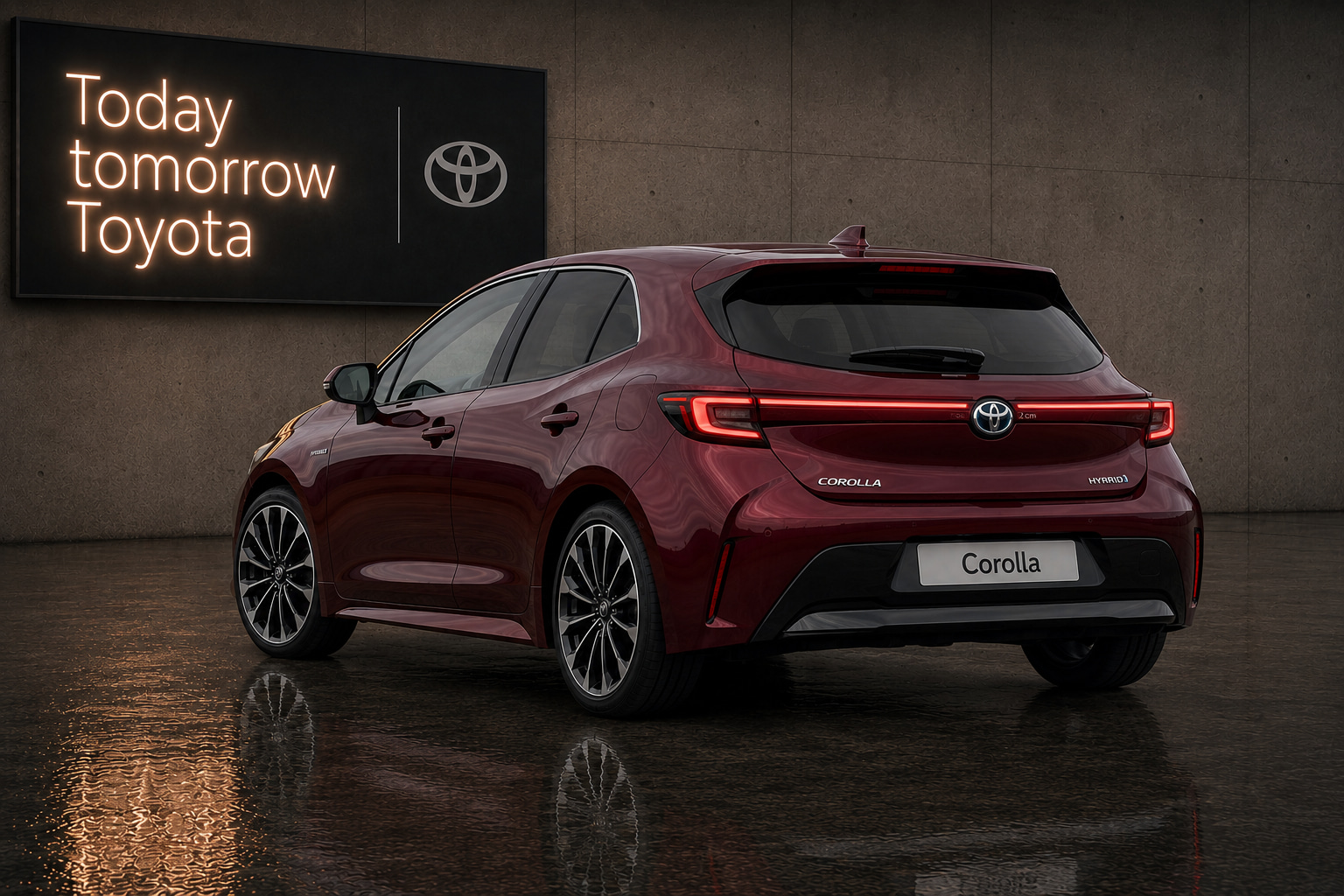
A future Corolla range may become Toyota's most important compliance tool in Europe, helping the company meet emissions targets while maintaining sales volumes. Economies of scale could help bring pricing closer to that of the smaller Urban Cruiser EV, while offering more space. This is where Toyota currently struggles most: delivering a desirable and practical EV for under £40,000. (Image credit: The New Yardstick)
The challenge for Toyota is that performance models can complicate this picture. (Image credit: The New Yardstick)
Cars such as the GR Yaris and GR Corolla provide excitement and strengthen Toyota's enthusiast credentials, but they also contribute higher fleet emissions than the hybrids that form the core of the range.
As regulations tighten further, Toyota may need to rethink how affordable performance fits into its future strategy.
One answer could already exist.
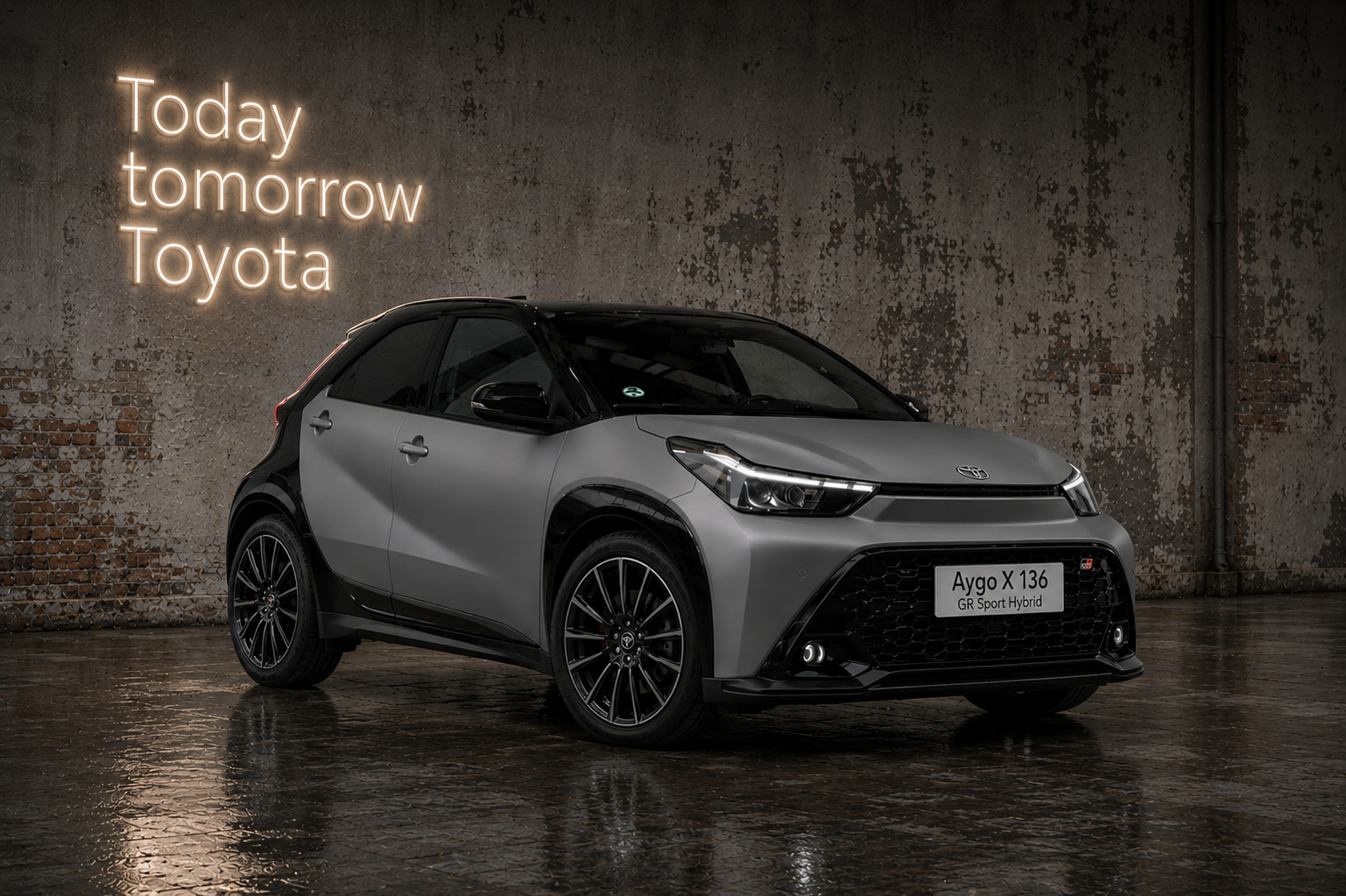
Toyota's smallest models have never been short on character, but tightening emissions regulations may require a new approach to affordable performance. (Image credit: The New Yardstick)
The current Aygo X uses a 116hp version of Toyota's latest hybrid system. However, the same basic powertrain family already produces up to 136hp in the Lexus LBX, raising an interesting question.
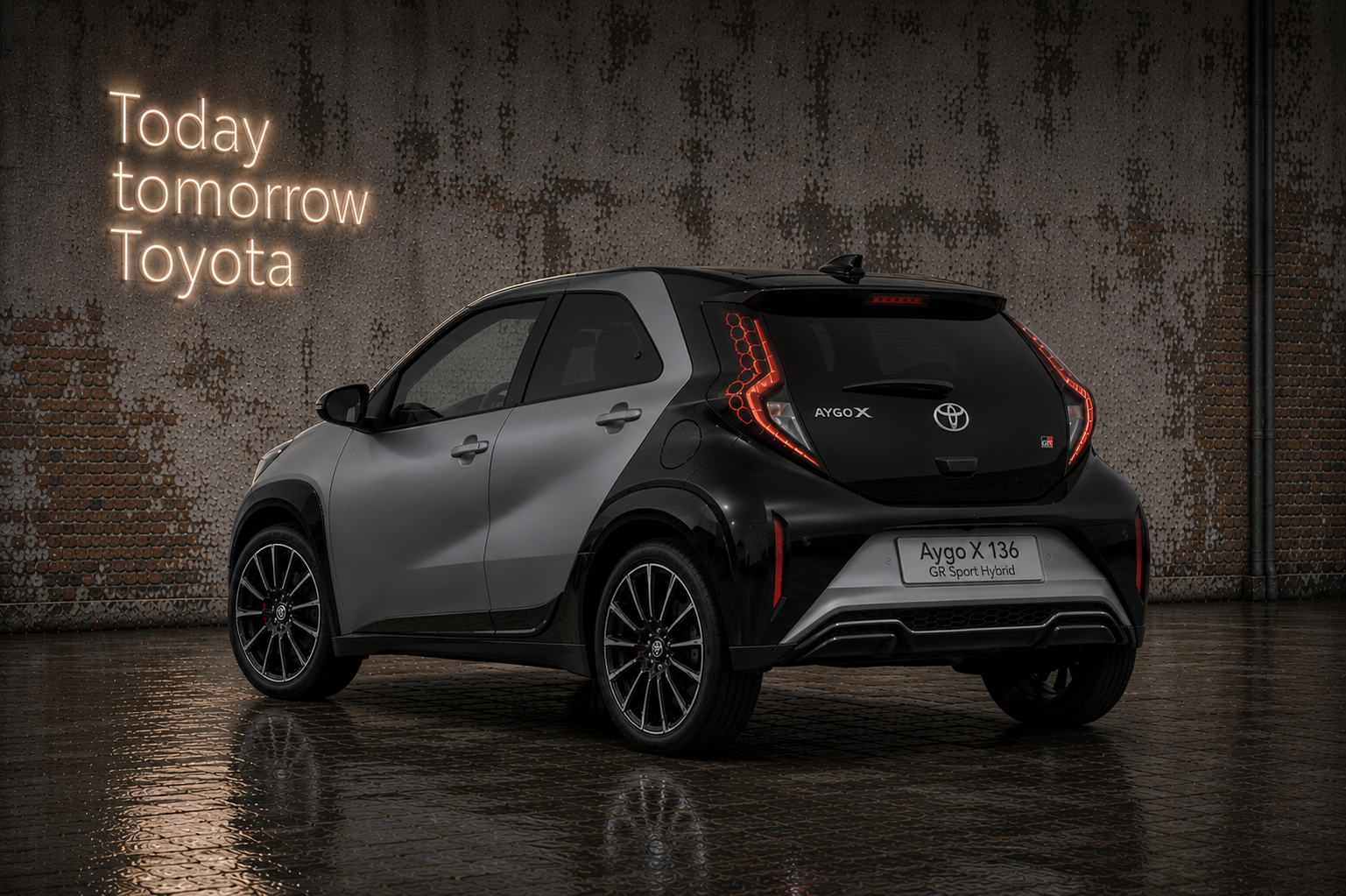
Rather than chasing ever-higher outputs, Toyota could focus on low weight, low running costs and accessible performance. The result could be a modern interpretation of the warm hatchback formula.
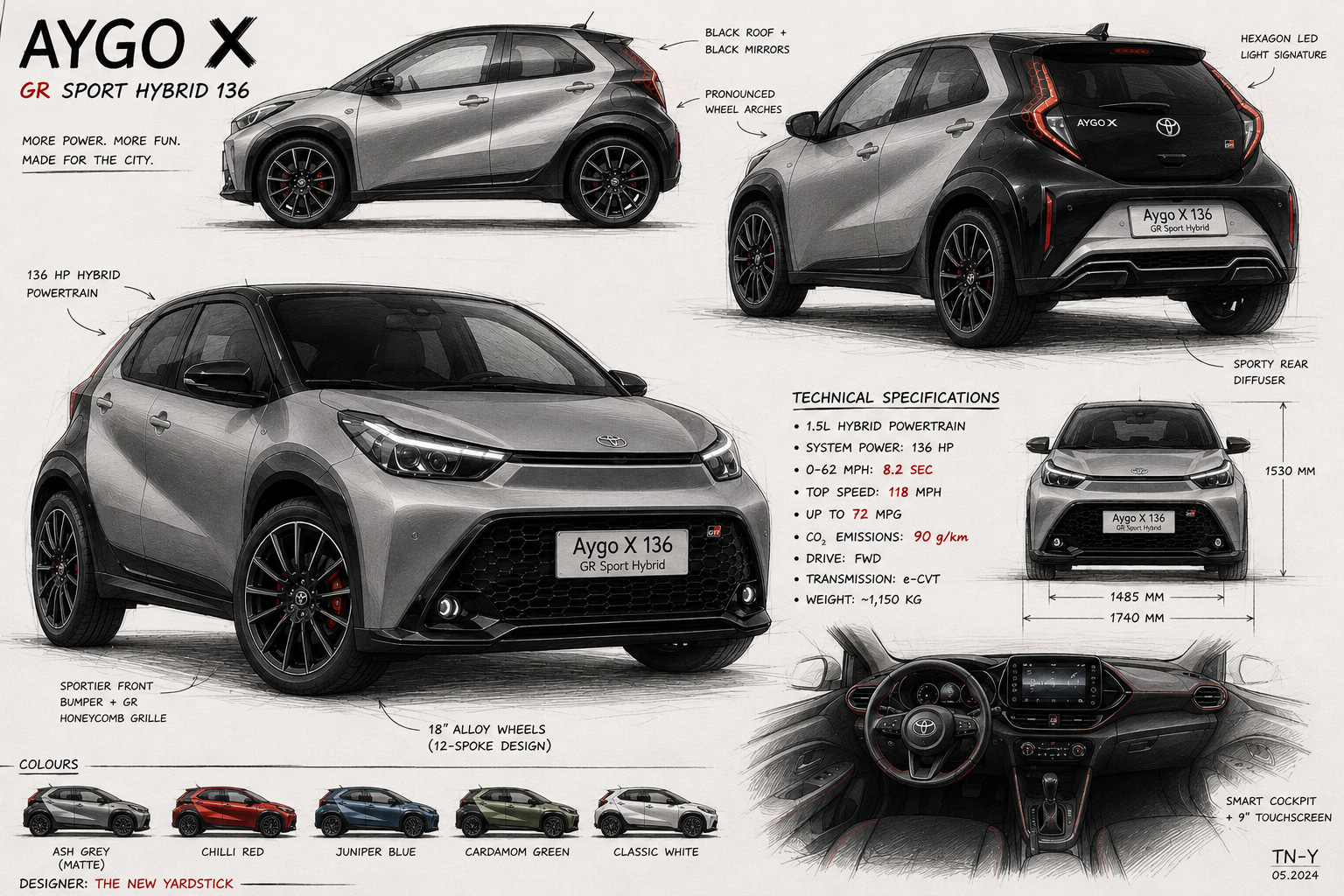
With around 136hp, a kerb weight comfortably below larger hot hatches and hybrid efficiency built in, an Aygo GR could offer genuine driving enjoyment without the fleet-emissions penalty associated with today's larger performance models. (Image credit: The New Yardstick)
Priced from around £28,000, it could represent a new direction for Toyota's GR division in an era of increasingly demanding CO₂ targets.
Performance, however, is only part of Toyota's future.
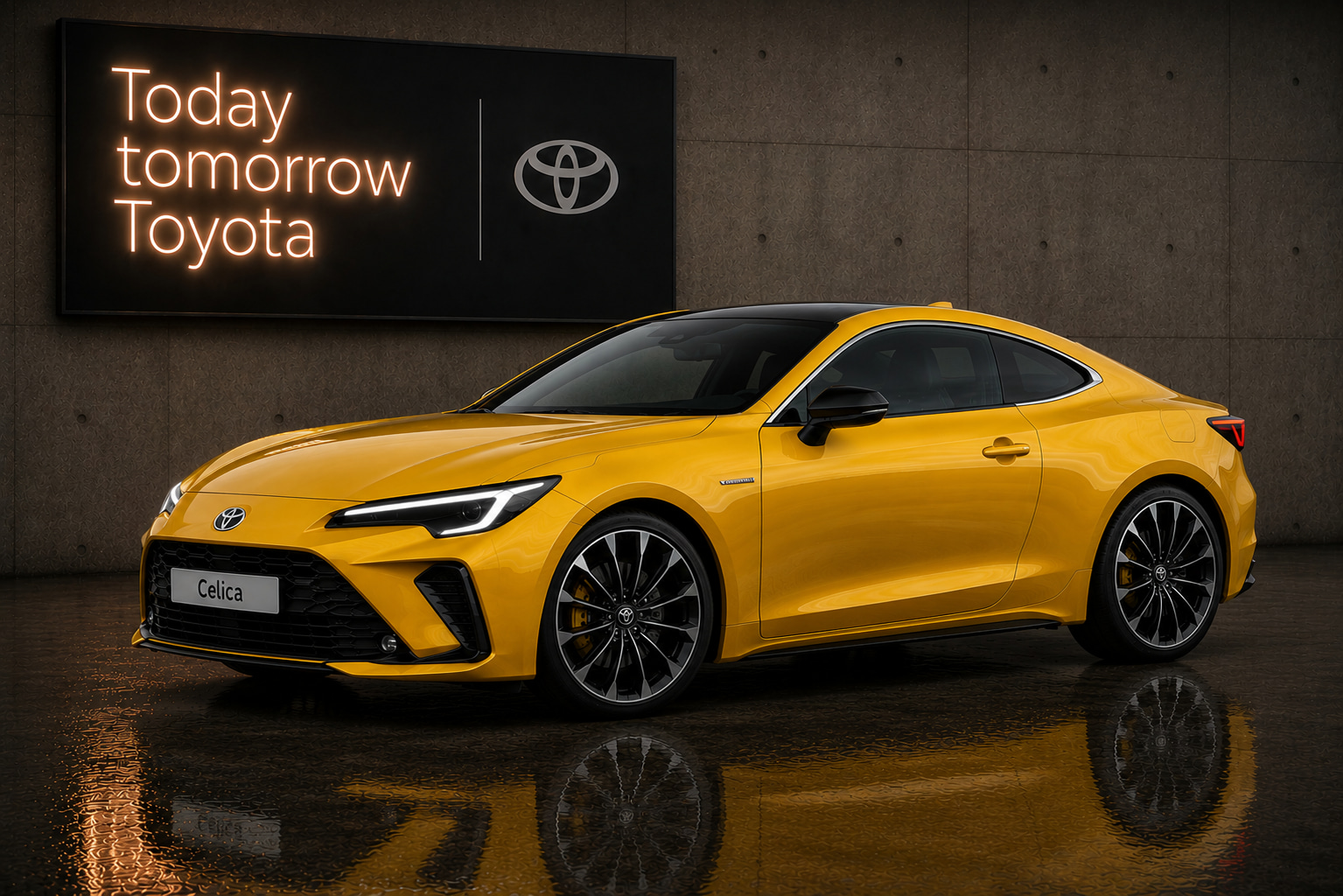
Few names generate as much excitement among enthusiasts as Celica. After years of speculation, signs continue to point towards the return of one of Toyota's most recognisable sports car badges. (Image credit: The New Yardstick)
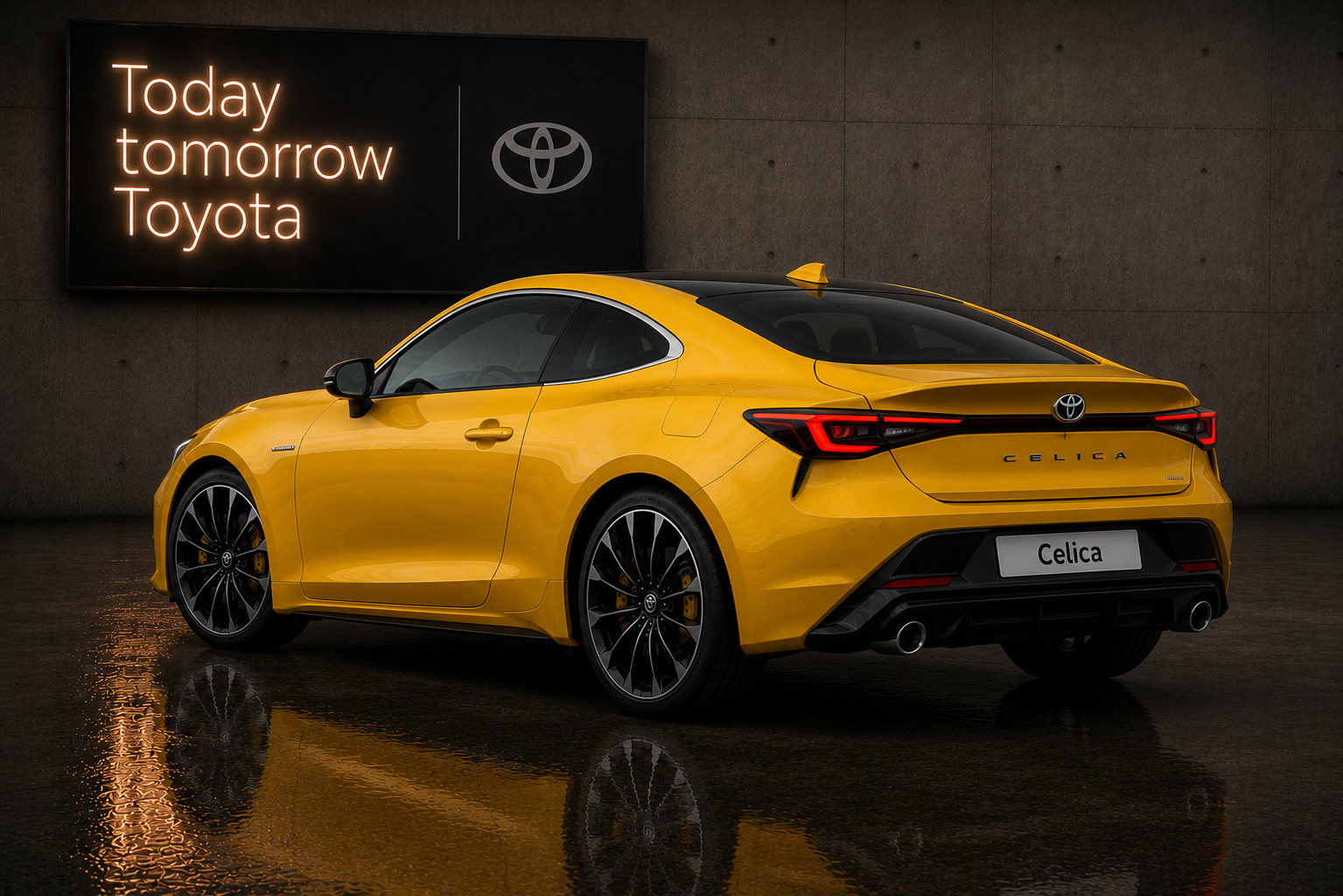
The Celica would serve a different purpose to the GR range. Rather than acting as a homologation-inspired performance model, it could become Toyota's emotional halo car, drawing customers into showrooms and strengthening the brand's identity. (Image credit: The New Yardstick)
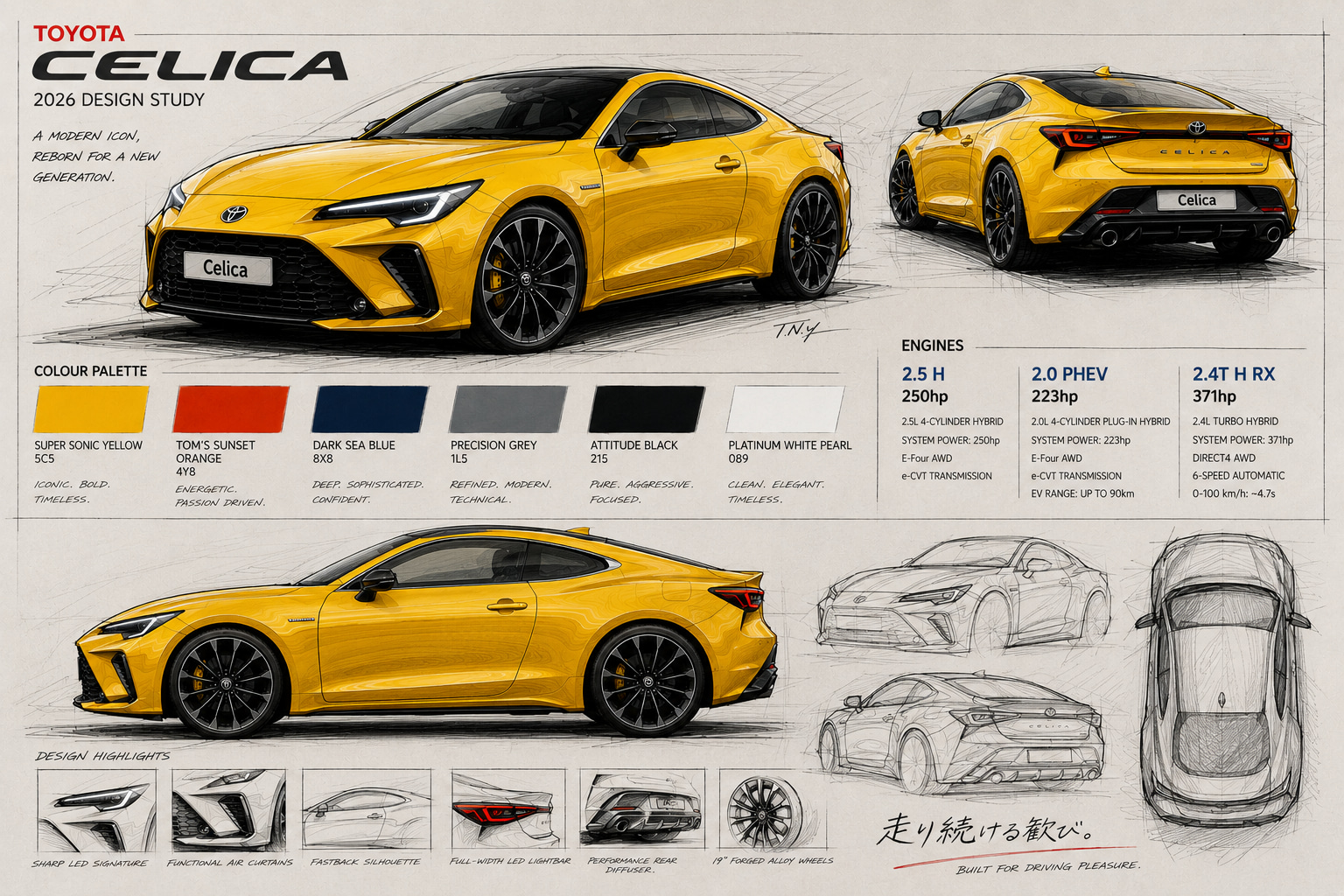
But Toyota's future will not be defined solely by family cars and sports cars. (Image credit: The New Yardstick)
Urban mobility may become just as important. Toyota already has experience in compact urban mobility in Japan, with vehicles such as the Pixis kei-van and C+pod demonstrating how the company approaches small-scale transportation solutions. Using its Stellantis relationship, Toyota could potentially bring a similar mobility solution to Europe.
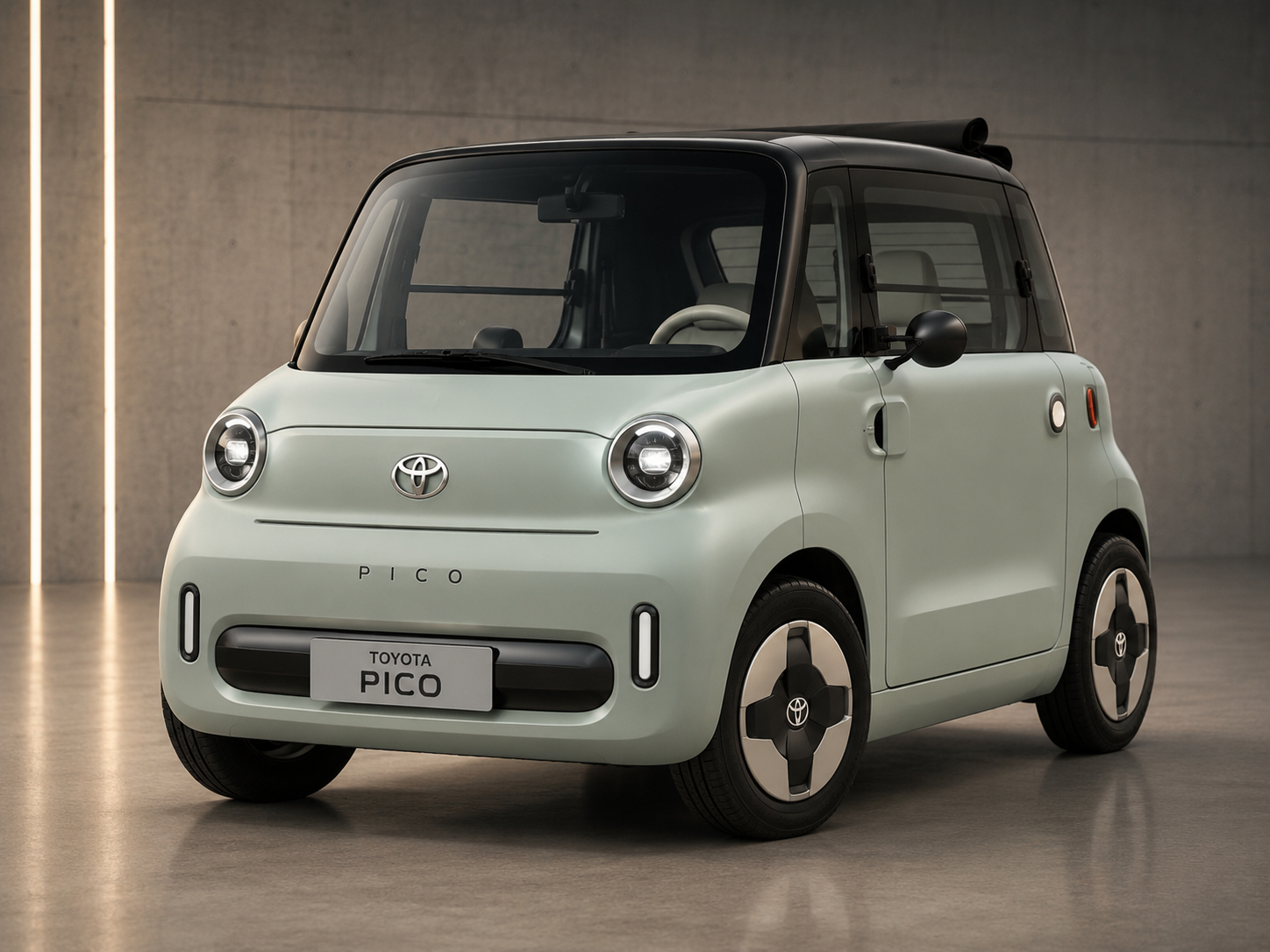
At the opposite end of the range sits the Toyota Pico. Based around the dimensions and hard points of the Citroën Ami, the concept explores how Toyota could enter the growing micro-EV market. (Image credit: The New Yardstick)
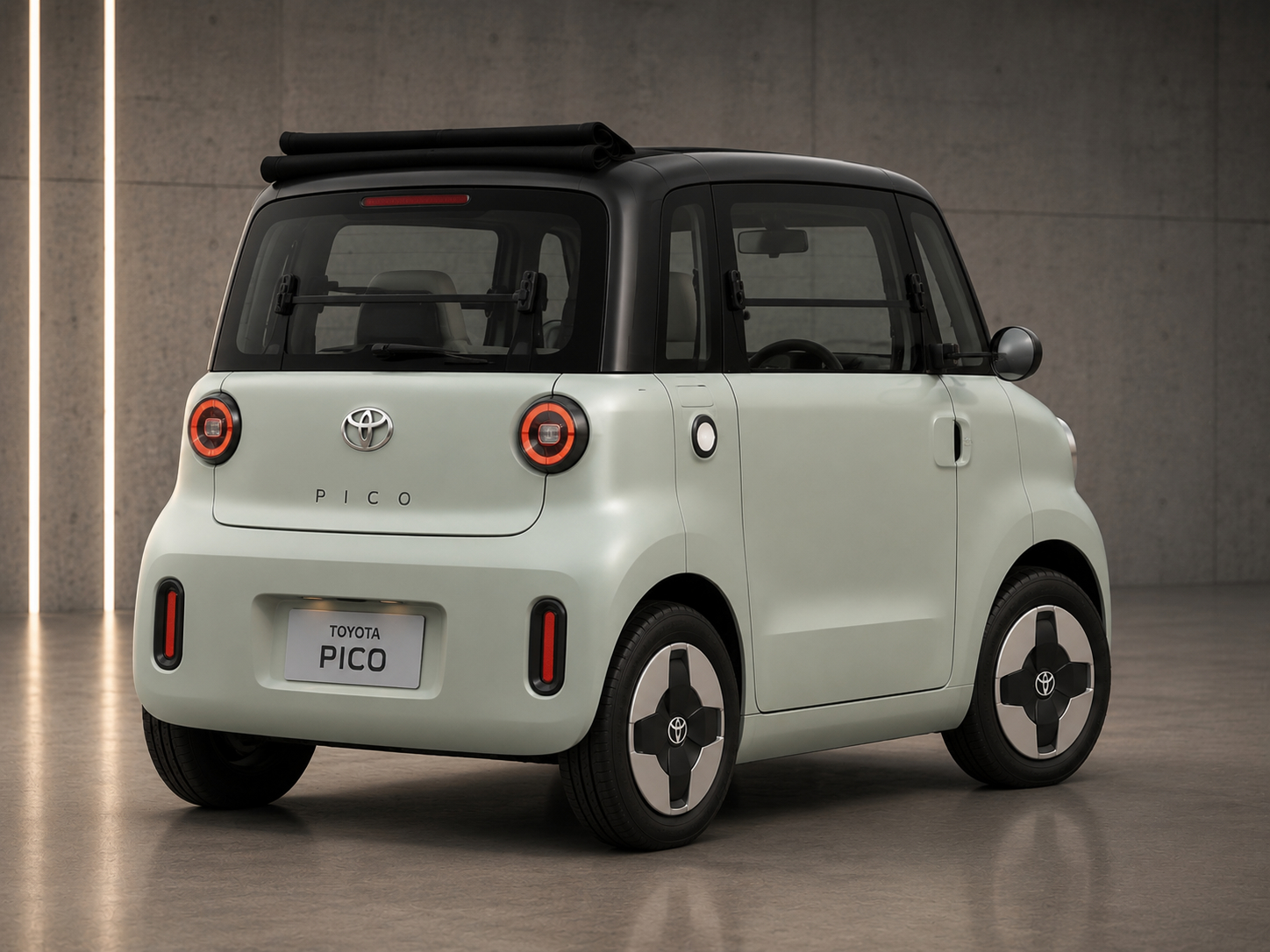
With European cities becoming increasingly congested and regulations continuing to evolve, ultra-compact electric vehicles could provide an affordable alternative to traditional cars for many journeys. (Image credit: The New Yardstick)
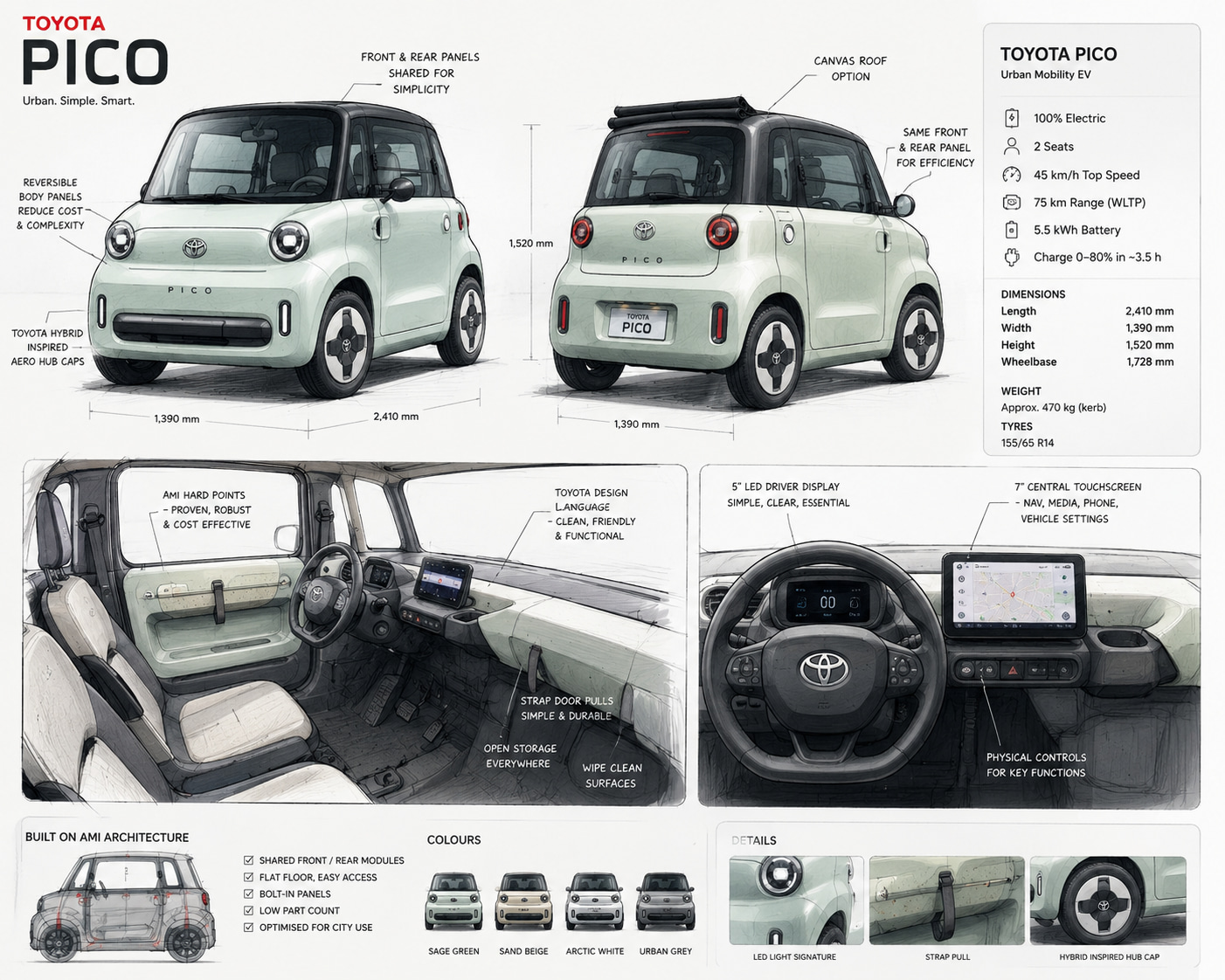
Whether it is an electric Corolla, a dual-powertrain Yaris, a lightweight Aygo GR, the return of Celica or an Ami-sized Pico, Toyota's future is unlikely to revolve around a single technology. (Image credit: The New Yardstick)
Instead, it may look remarkably similar to the strategy that has brought the company this far: offering the right solution for the right customer at the right time.
Today, that approach appears more relevant than ever.
Tomorrow, it could prove to be Toyota's greatest strength.