The Return of Ampera? How Leapmotor Could Give Vauxhall Its Smartest SUV Yet
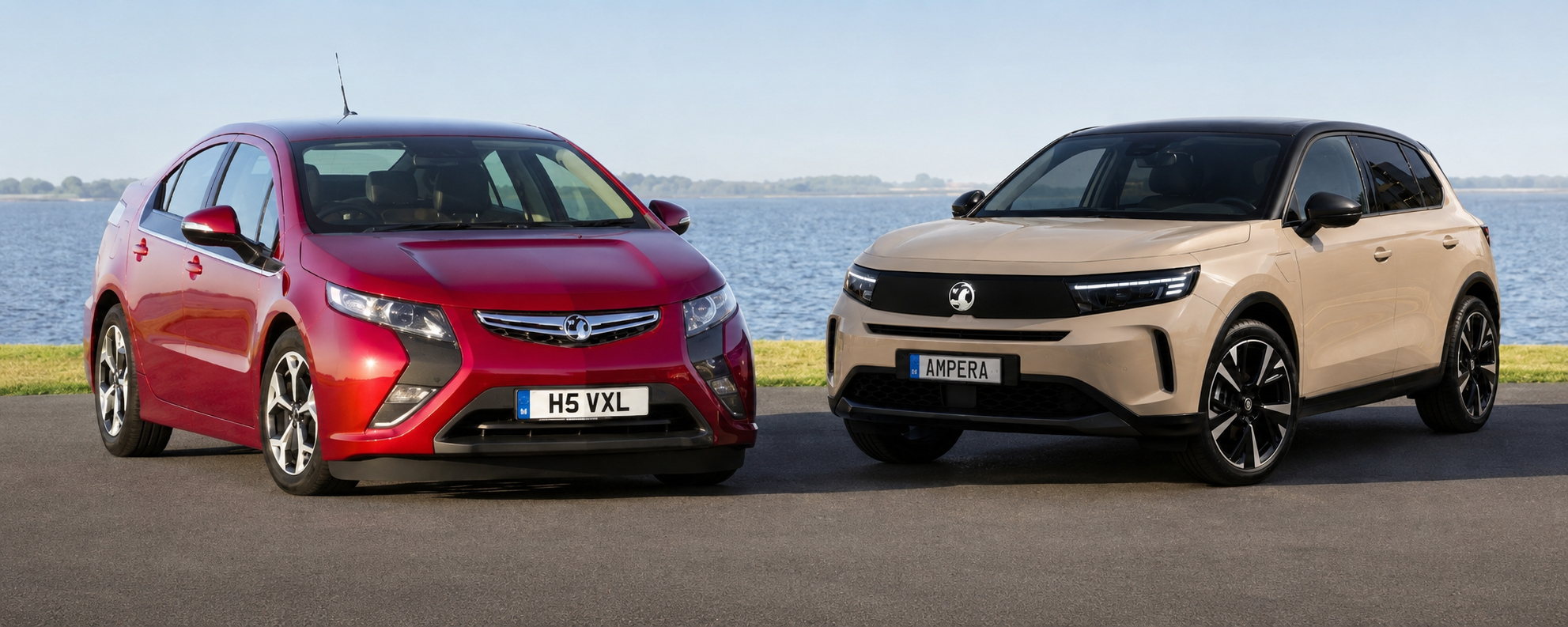
Back in 2012, the Ampera introduced range-extender electric technology to European buyers years before most manufacturers had considered the idea.
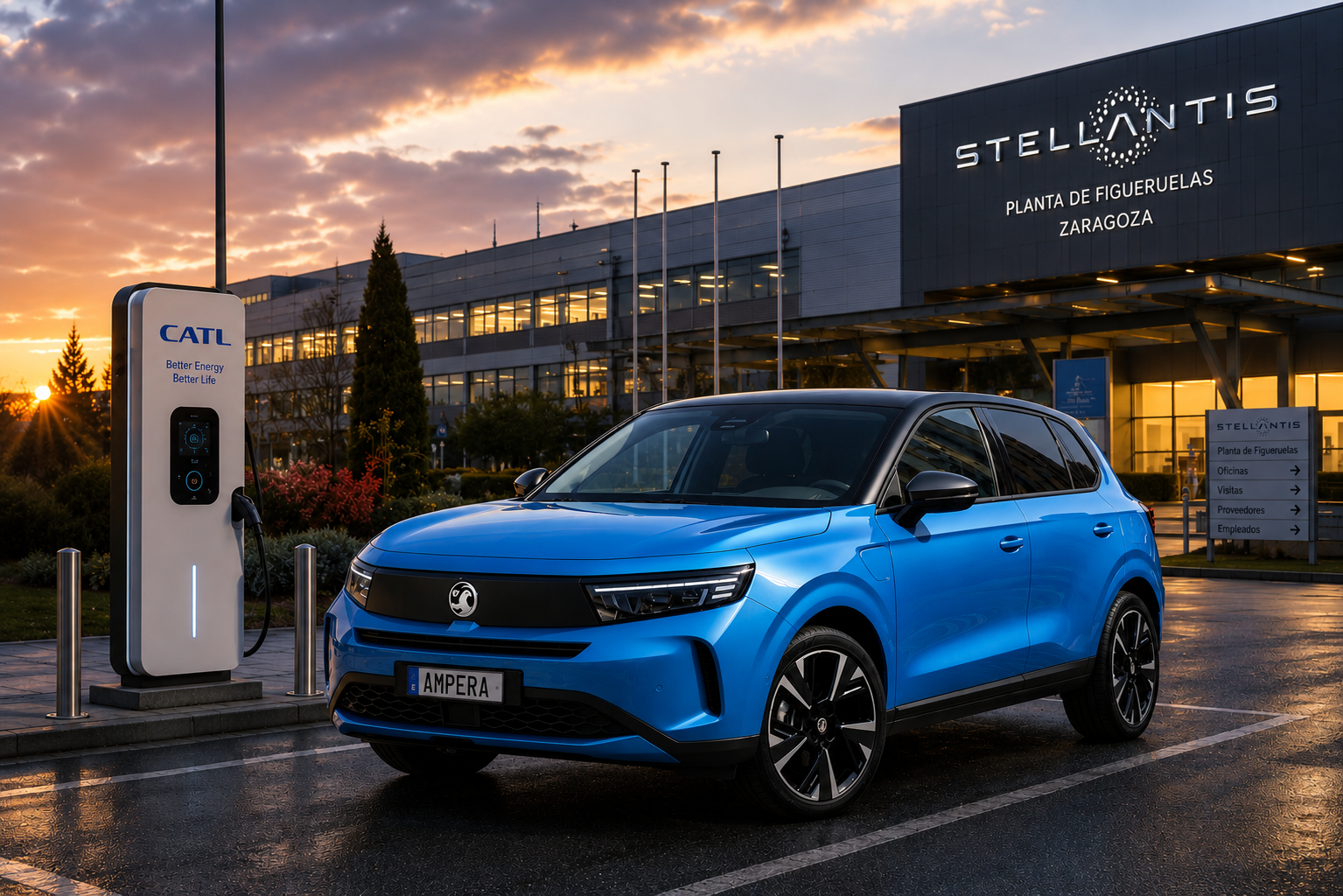
Our custom rendering explores how a Vauxhall SUV based on Leapmotor technology could look. Europe isn't exactly spoilt for choice when it comes to REEVs (range-extending electric vehicles), but that could soon change. Leapmotor's newly introduced B10 is set to bring the technology to a wider audience, although Vauxhall was experimenting with the same basic concept over a decade ago. (Image credit: The New Yardstick)
The market simply wasn't ready. The Ampera paired a 1.4-litre petrol engine, acting solely as a generator, with a lithium-ion battery and a 151hp front-mounted electric motor. It was pioneering technology for its day, but a high price tag and niche positioning limited its appeal. After selling just over 10,000 examples across Europe, Vauxhall and Opel quietly drew the project to a close in 2015.
Thanks to Stellantis' partnership with Leapmotor, however, the technology—and perhaps even the Ampera name itself—could be about to make an unexpected return.
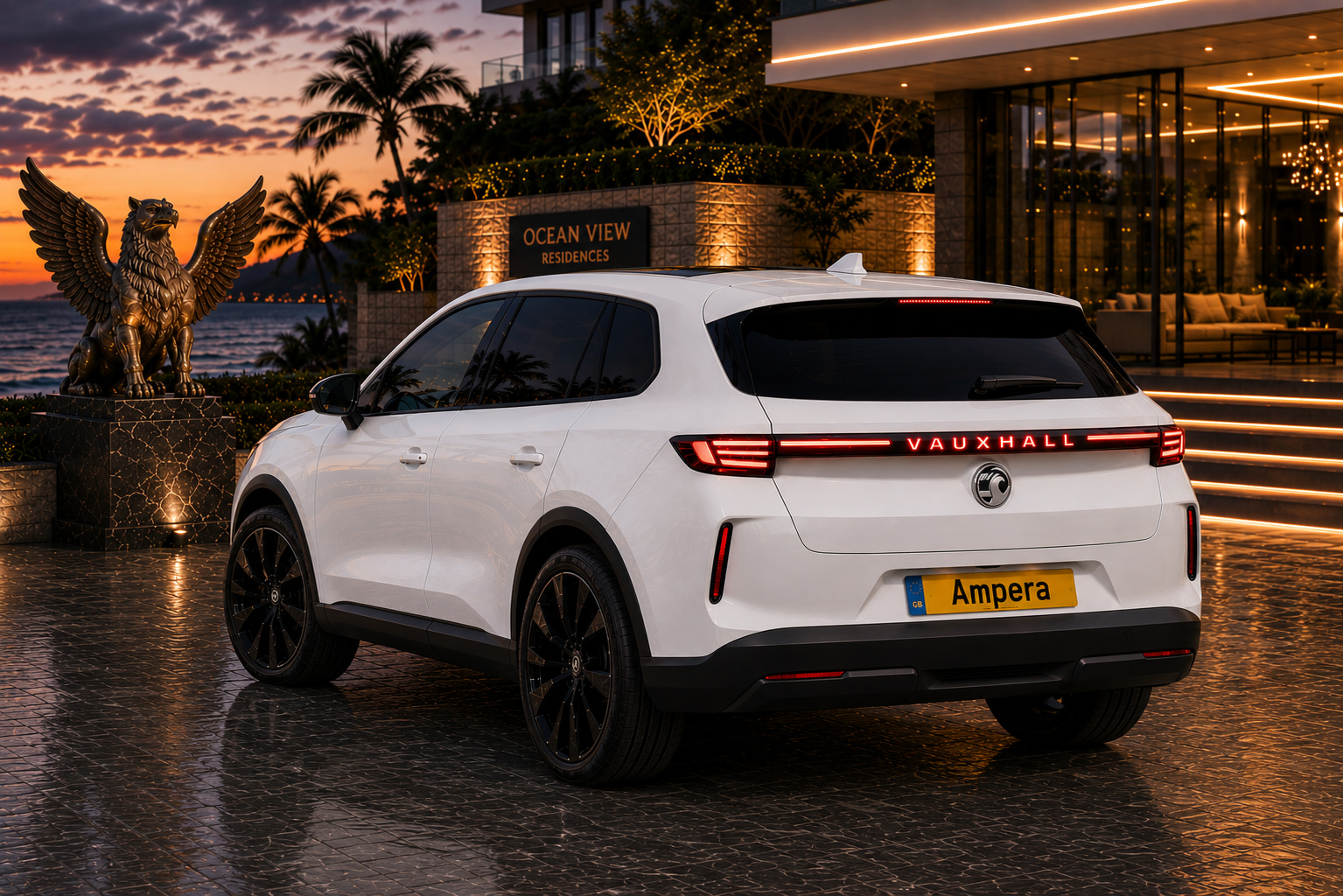
Leapmotor's latest REEV technology could change the economics entirely. Unlike the original Ampera, modern battery costs, charging infrastructure and consumer familiarity with electrification have dramatically improved the business case. By combining Chinese economies of scale with Stellantis' European manufacturing footprint, Vauxhall could re-enter the range-extender market with a C-segment SUV capable of undercutting many petrol, diesel, hybrid and fully electric rivals on price, while offering the best of each.
If the Ampera name were to return, it wouldn't need to replace an existing Vauxhall SUV. Instead, it could give the brand something it arguably lacks: a technology-led model sitting between value and premium.
Each of Vauxhall's SUVs already serves a distinct purpose. Rather than adding another crossover for the sake of it, an Ampera could complete the line-up by giving buyers a dedicated EV and REEV-focused option.
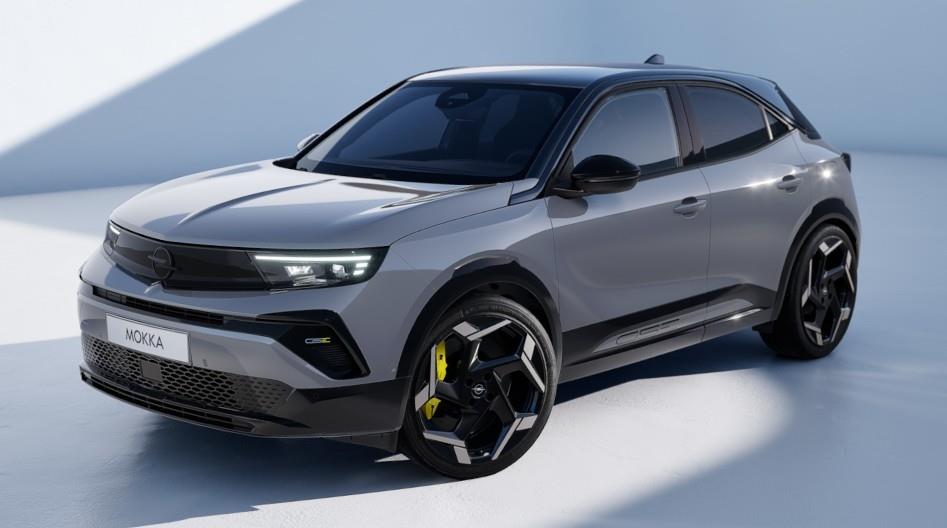
Kicking off the range is Mokka. Compact dimensions and sharp styling give Vauxhall a sporty B-segment SUV that sits comfortably apart from the rest of its line-up. The recent addition of the 280hp electric GSE model only reinforces that position. (Image credit: Vauxhall / Stellantis)
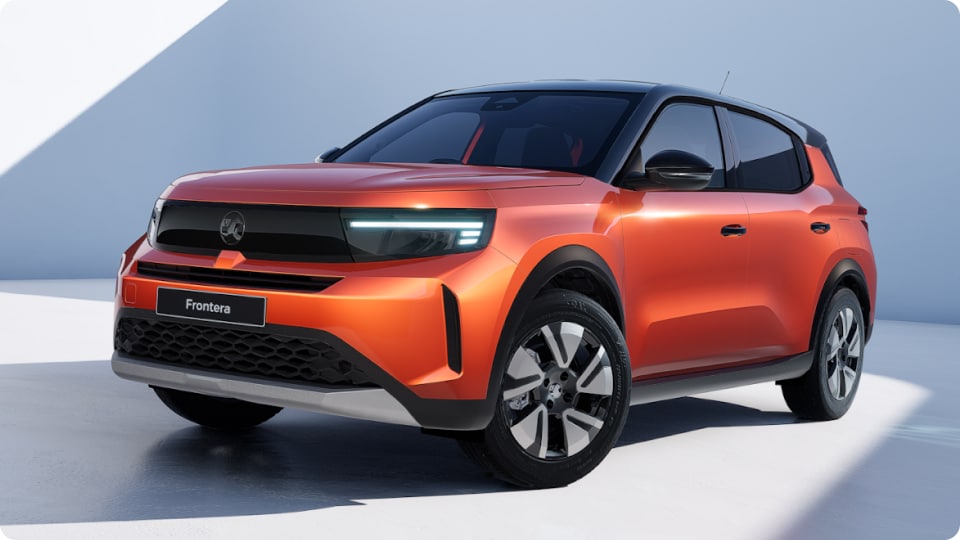
Despite its larger dimensions, Frontera arguably serves as Vauxhall's entry-level SUV. Offering hybrid or electric power and optional seven-seat practicality from just £23,500, it prioritises value over outright performance or premium aspirations. (Image credit: Vauxhall / Stellantis)
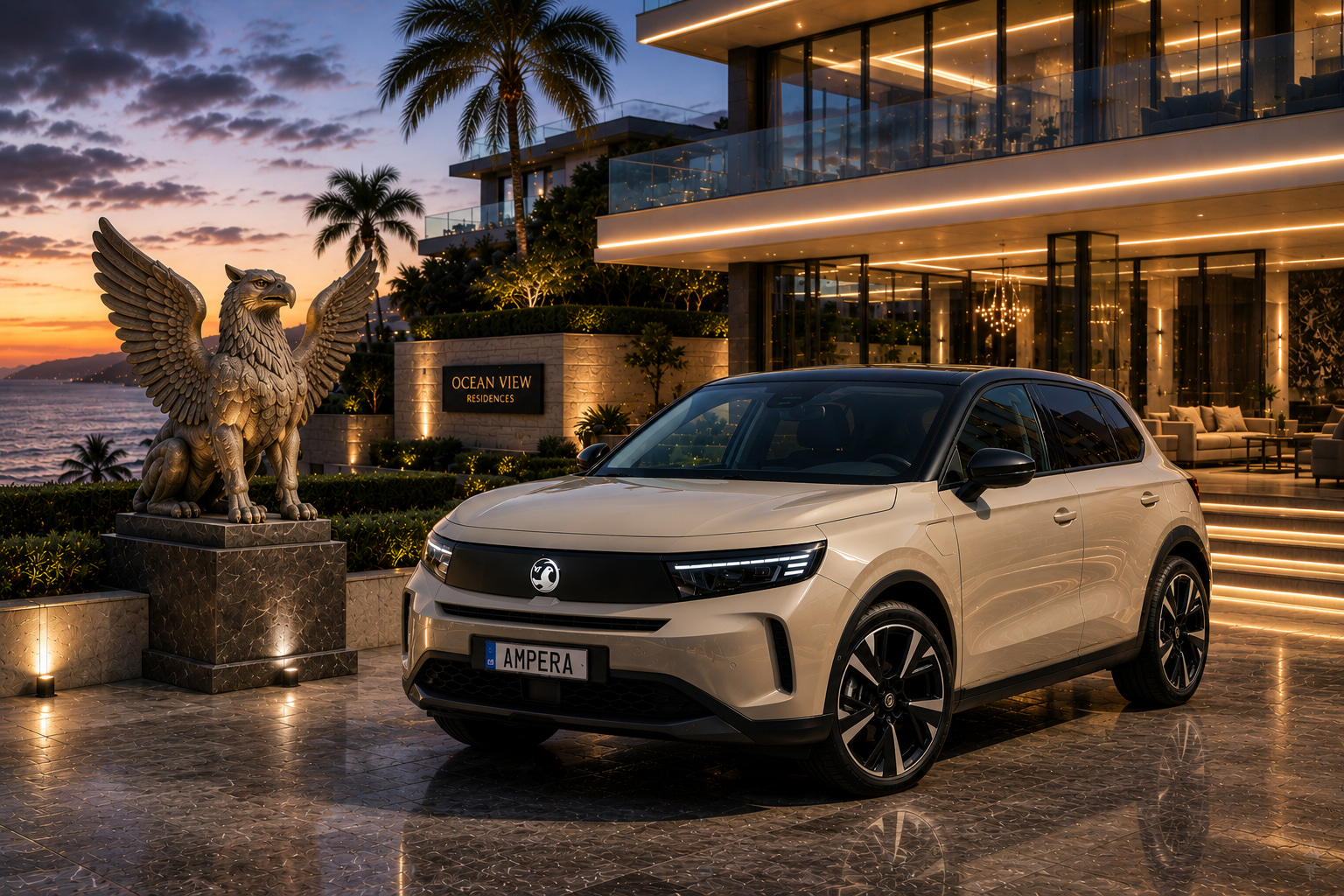
This is where a reborn Ampera could carve out its own identity. Sitting between Frontera and Grandland, it could become Vauxhall's technology flagship, showcasing Leapmotor's latest EV and REEV powertrains without pushing into premium-brand pricing. That would give Vauxhall the opportunity to take aim at upmarket offerings such as the Mercedes-Benz EQA and Toyota's C-HR+ at a lower price. (Image credit: The New Yardstick)
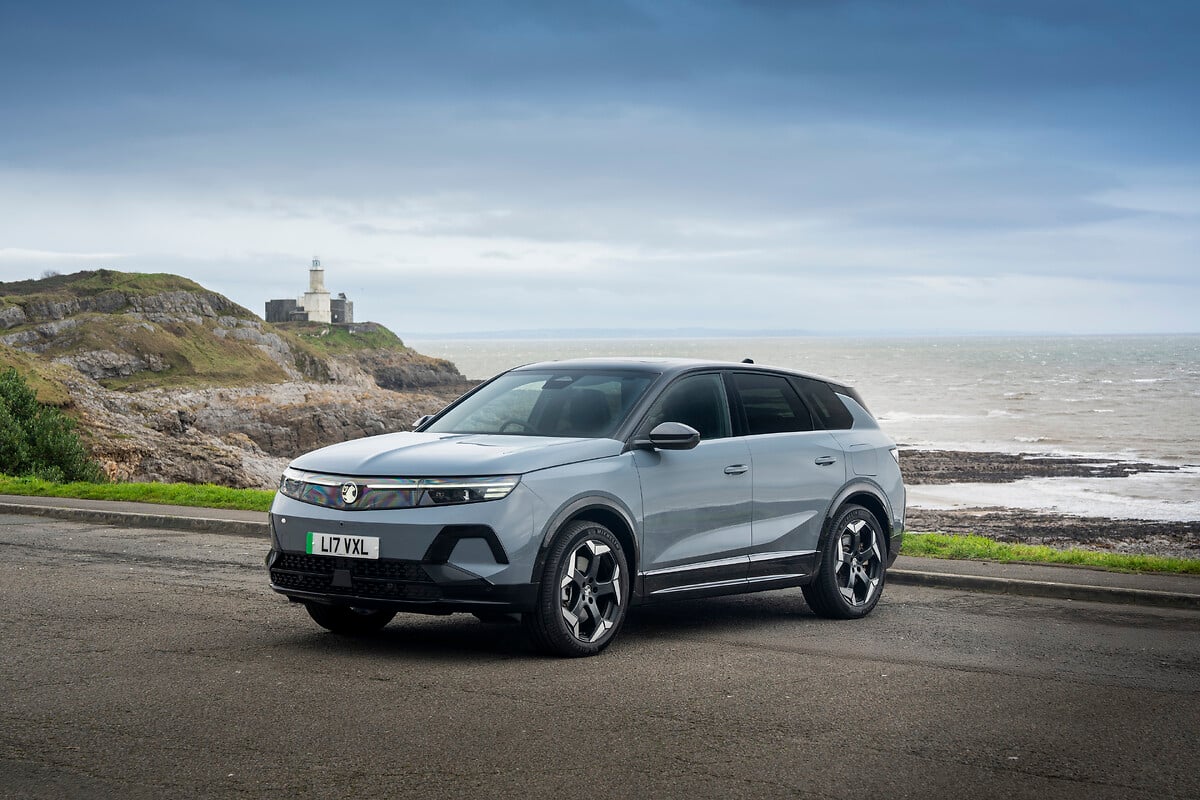
Ironically, Grandland's evolution may have created an opportunity elsewhere in the range. By moving further towards comfort, technology and premium specifications, it leaves space for a different kind of SUV to sit beneath it—one focused less on luxury and more on delivering cutting-edge EV and REEV technology to mainstream buyers.
Coincidentally, providing that technology-focused model is exactly what Leapmotor needs as well.
The Chinese manufacturer's success depends on spreading its platforms, batteries and range-extender technology across as many markets as possible. That objective aligns surprisingly well with Stellantis' own challenges.
Managing fourteen automotive brands means keeping pace with a rapidly changing industry while spreading development costs across an enormous portfolio. While Stellantis has invested heavily in its STLA platforms, Leapmotor brings something different to the table: affordable EV architectures, modern software and proven range-extender technology that many European manufacturers have largely overlooked.

The partnership is already moving beyond simple vehicle imports. By utilising underused Stellantis production capacity in Europe, Leapmotor gains a route around tariffs and complex logistics, while Stellantis strengthens its manufacturing footprint and extracts greater value from existing facilities.
A reborn Ampera could become one of the clearest examples of that relationship working both ways. Vauxhall would gain access to proven REEV technology, while Leapmotor's platforms would reach a far wider audience through one of Europe's most established dealer networks.
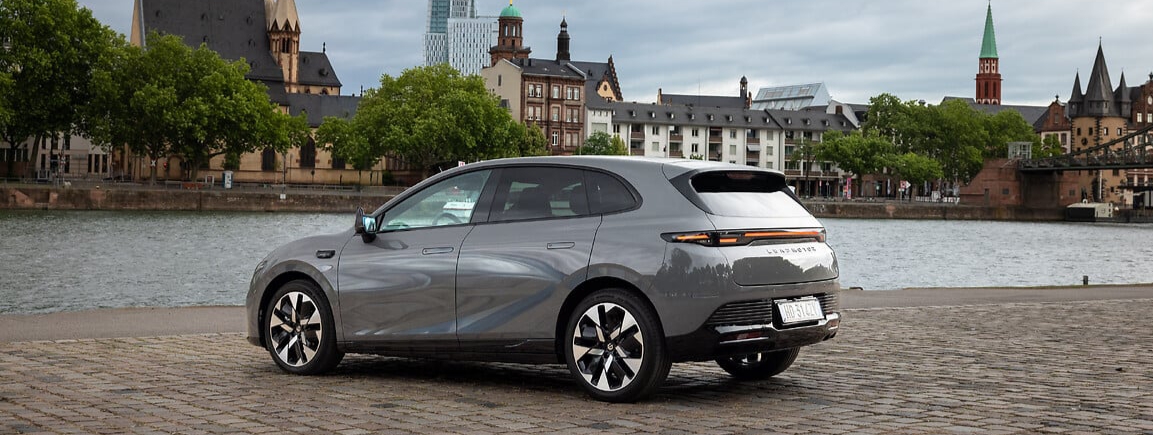
The incoming Leapmotor B05 hatchback highlights the wider potential of the Stellantis partnership. If the B10 were to inspire a reborn Ampera SUV, it may only be the beginning of how Chinese-developed platforms influence future European models. (Image credit: Leapmotor / Stellantis)
The irony is that Vauxhall may not need to reinvent itself at all.
More than a decade after the original Ampera quietly disappeared from showrooms, the conditions that worked against it are finally beginning to change. Battery technology has improved, charging infrastructure has expanded, emissions regulations have tightened and buyers are more comfortable with electrified powertrains than ever before.
At the same time, Stellantis and Leapmotor each have something the other lacks. One brings established brands, manufacturing capacity and a European dealer network. The other brings fresh EV architectures and range-extender technology developed for a fiercely competitive Chinese market.
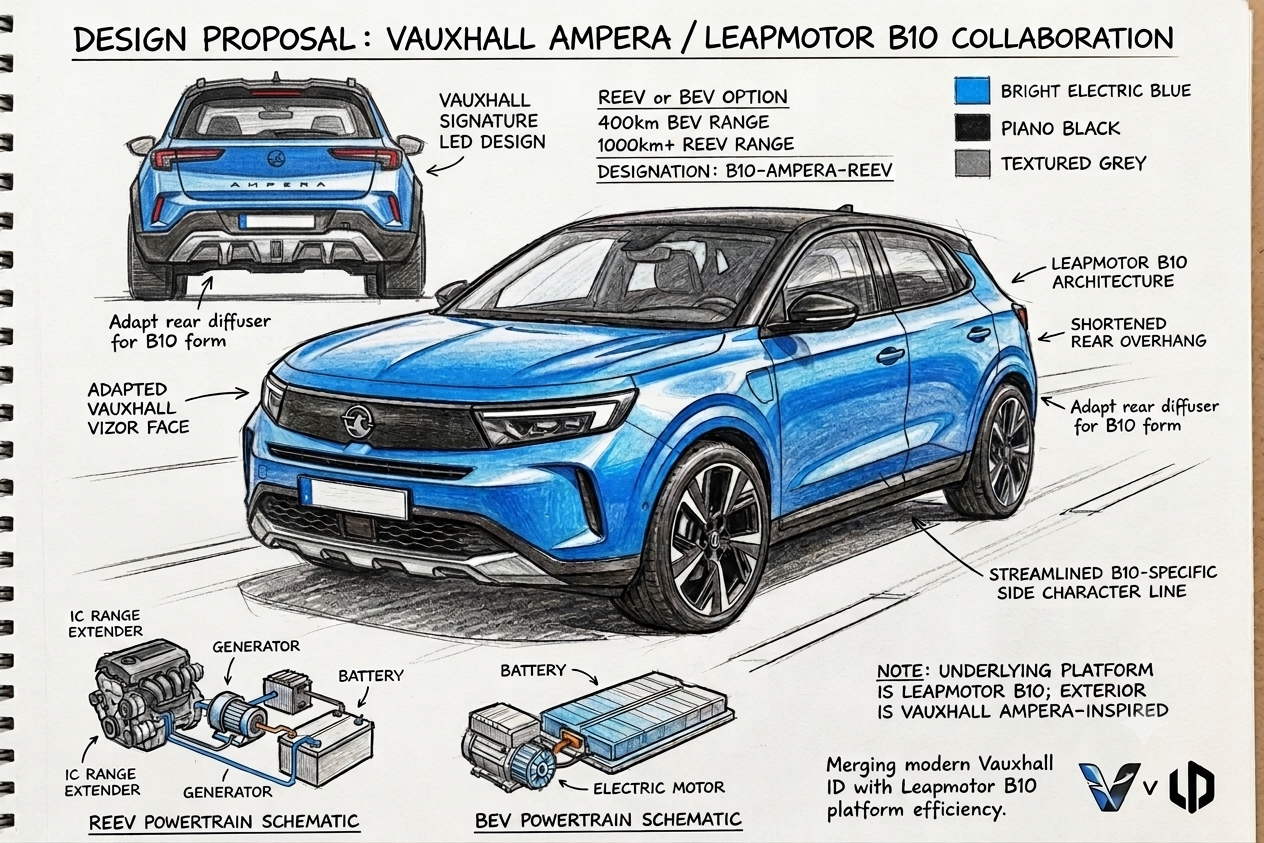
A reborn Ampera would represent more than the return of an old badge. It would demonstrate how that partnership could work in practice, combining European heritage with modern technology to create something neither company might have built alone. (Image credit: The New Yardstick)
Whether Vauxhall ever chooses to revive the Ampera name is another question entirely. But if the Stellantis-Leapmotor partnership fulfils its potential, it seems increasingly likely that today's Leapmotor technology will find its way into tomorrow's European family cars.
And for a company that was introducing range-extending electric vehicles back in 2012, bringing Ampera back to the future might be the most fitting place to start.
You should also read:
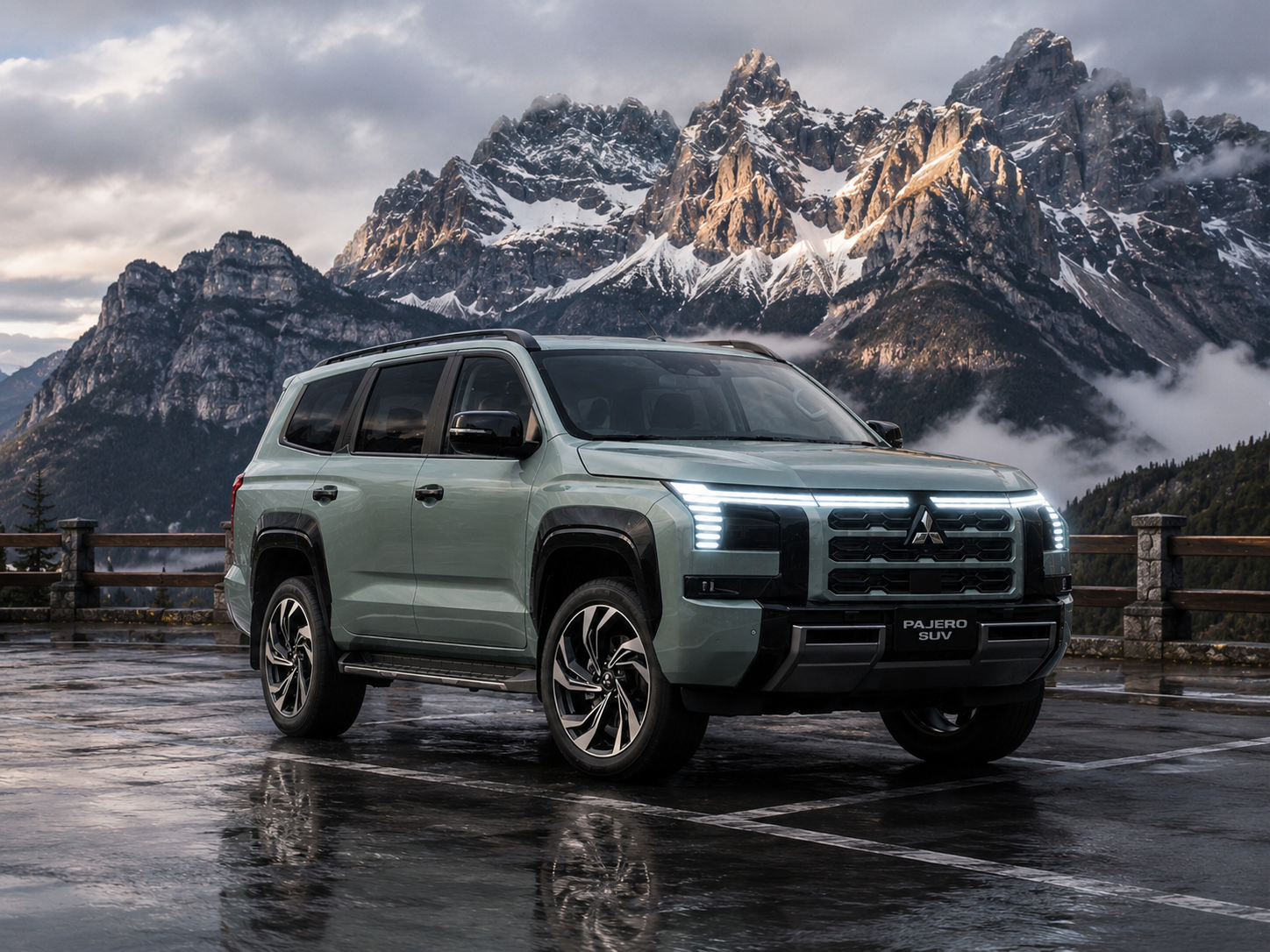
Back to the Frame: The Mitsubishi Pajero Returns to its Rugged Roots
For five years, the off-road world has felt a little less legendary. Since the final fourth-generation SUV rolled off the line in 2021—known globally as the Pajero, as the Shogun in the UK, and as the Montero in North America—Mitsubishi’s lineup has lacked its true…
Continue reading...